

Tamil Nadu Demands Central Assurance on Parliamentary Representation Amid Delimitation Debate
Tamil Nadu’s Chief Minister, C. Joseph Vijay, has urged the Union government to provide a firm legislative guarantee that the state’s representation in Parliament will not diminish as a...

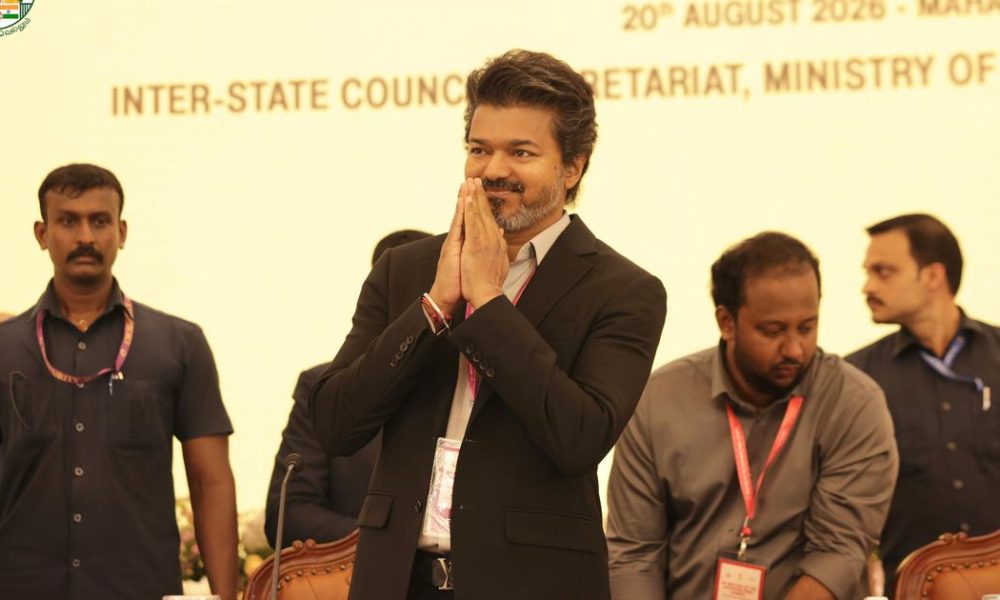
Tamil Nadu’s Chief Minister, C. Joseph Vijay, has urged the Union government to provide a firm legislative guarantee that the state’s representation in Parliament will not diminish as a result of the impending delimitation process. The call came during a recent Assembly session, where Vijay emphasized the importance of maintaining the current number of parliamentary seats, particularly as the southern states have made commendable strides in population control and socio-economic development.
The delimitation process entails redrawing the boundaries of electoral constituencies based on the latest census data, and concerns have been raised regarding how this might affect states like Tamil Nadu, which have successfully managed their population growth. Chief Minister Vijay articulated that the Union government should not penalize states that align with national objectives of population management and growth. He urged for an assurance that the state’s parliamentary representation remains secure regardless of the changes that delimitation may bring.
This recent push for assurance follows the Tamil Nadu Assembly’s passage of a resolution aimed at preserving the Lok Sabha’s strength at the current 543 seats. During the introduction of this resolution, Vijay also spoke about the necessity of implementing the proposed 33% reservation for women in the upcoming 2029 Lok Sabha elections, a move he argued should be based on the existing seat count to ensure fair representation.
In a related context, during a three-day special session of Parliament earlier this year, the ruling Bharatiya Janata Party (BJP) presented the 131st Amendment Bill aimed at modifying the 2023 Women’s Reservation Act and revising the electoral constituency boundaries. This bill, which requires a two-thirds majority for passage, has raised eyebrows as the current National Democratic Alliance (NDA) government lacks the necessary votes to ensure its approval.
The ongoing discussions surrounding delimitation and women’s reservation reflect broader concerns about electoral fairness and representation in India. As states like Tamil Nadu continue to advocate for their interests, the outcomes of these legislative maneuvers will have long-lasting implications on the political landscape and governance in the country.
Source: scroll.in



No Comment! Be the first one.