

Chhattisgarh’s Small Steelmakers Face Green Transition Challenges
The journey from Raipur airport into the bustling city unveils a crucial aspect of Chhattisgarh’s economy—the steel industry. Prominent billboards advertising local brands like Goel TMT, GK TMT, and...

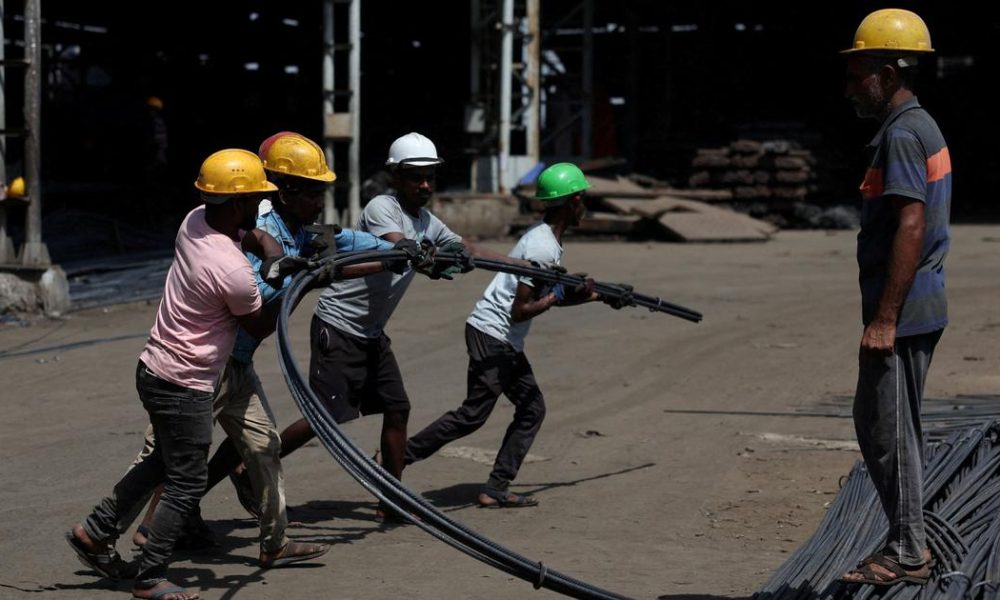
The journey from Raipur airport into the bustling city unveils a crucial aspect of Chhattisgarh’s economy—the steel industry. Prominent billboards advertising local brands like Goel TMT, GK TMT, and Concrete TMT are a common sight, revealing the deep-rooted connection these companies have with the region. Despite their significance, these brands remain relatively unknown beyond state lines.
As one ventures further towards the industrial hubs of Urla and Siltara, the visual landscape shifts from advertisements to actual steel production facilities. Here, ironmaking plants, rolling mills, and steel-melting shops dominate the area, alongside trucks transporting essential materials such as coal and iron ore. The air thickens with smoke, highlighting the environmental repercussions of steel manufacturing, which coexist uncomfortably with its economic benefits.
These industrial clusters are vital to Chhattisgarh’s economy, providing employment to tens of thousands of workers and supporting an extensive network that includes transporters, traders, contractors, and small suppliers. This reality mirrors the broader situation across India, where the micro, small, and medium-sized enterprises (MSMEs) form the backbone of the secondary steel sector.
In India, which ranks as the second-largest steel producer globally, these MSMEs are accountable for approximately 40% of the country’s crude steel output. Their contributions are critical in supplying steel for various sectors, including construction and infrastructure. However, these enterprises often operate on narrow profit margins and heavily depend on coal for producing direct reduced iron, commonly known as sponge iron, along with utilizing scrap metal.
Amid growing environmental concerns and the global push towards sustainable practices, these small steelmakers face mounting pressure to adopt greener technologies. Transitioning to more eco-friendly methods is imperative not only for compliance with regulations but also to enhance their market competitiveness. The path to sustainability, however, is fraught with challenges, particularly given their financial constraints and the traditional reliance on coal.
Source: scroll.in







No Comment! Be the first one.