

Air France Imposes Restrictions on Pilots from Muslim-Majority Nations Following Airline Incident
In a recent development, the French airline Air France has announced that it will adhere to new regulations imposed by Israel, which restricts pilots and cabin crew from 31 predominantly...

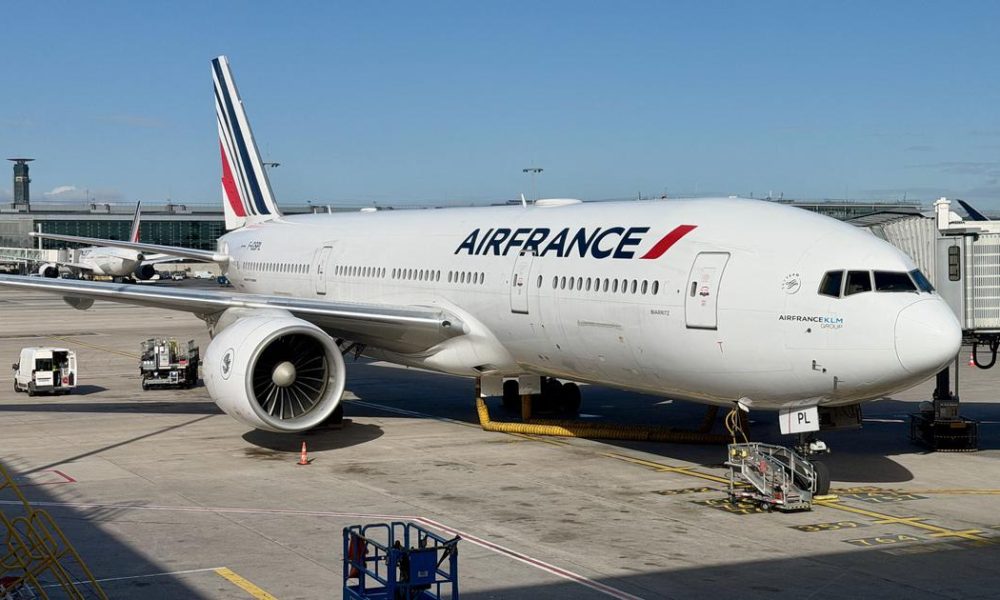
In a recent development, the French airline Air France has announced that it will adhere to new regulations imposed by Israel, which restricts pilots and cabin crew from 31 predominantly Muslim-majority countries that lack formal diplomatic ties with Tel Aviv. This decision follows a distressing incident involving a Flydubai flight, during which an attempted crash occurred, prompting heightened safety concerns.
The incident unfolded on September 30, when a co-pilot on a Flydubai flight from Dubai to Tel Aviv allegedly attempted to crash the aircraft, which had 174 passengers on board, 150 of whom were Israeli. Fortunately, no fatalities were reported. However, during the chaos in the cockpit, the Omani co-pilot stabbed the Indian pilot, Smit Machchhar, leading to a dramatic descent of approximately 17,000 feet within a minute before the plane was able to land safely at Tabuk airport in Saudi Arabia.
In light of this incident, Air France has indicated that compliance with the newly established Israeli entry regulations is mandatory, not just for their customers, but for their employees as well. The restrictions predominantly affect pilots and crew from countries such as Pakistan, Afghanistan, Bangladesh, and several others, all of which do not maintain diplomatic relations with Israel. Interestingly, the list also includes non-Muslim-majority countries like North Korea, Cuba, Nicaragua, Belize, and Venezuela.
This move has raised questions regarding the broader implications for global aviation and the potential impact on crew members from affected countries. Critics argue that such restrictions could lead to discrimination based on nationality or religion, which is increasingly becoming a contentious issue in international travel. While Air France stated that it is required to follow the regulations set forth by the nations it serves, many in the aviation industry are assessing how this could alter operational dynamics and affect personnel management.
This incident serves as a stark reminder of the complexities surrounding international air travel, especially in the context of geopolitical tensions. As airlines navigate these turbulent waters, the safety and security of passengers and crew remain paramount, even as the industry faces challenges in balancing regulatory compliance with fair treatment of employees.
Source: scroll.in






No Comment! Be the first one.