

Supreme Court Rules Against Backward Class Muslim Status for Convert Muslims
The Supreme Court of India reinforced its stance on the status of converts to Islam regarding reservation benefits, affirming a prior ruling by the Madras High Court. In a significant ruling...

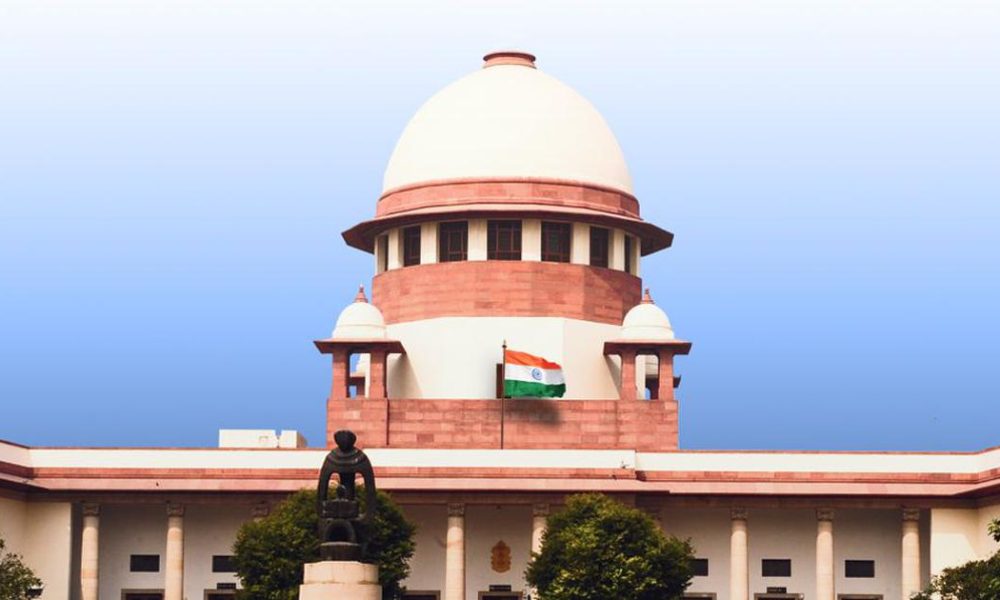
The Supreme Court of India reinforced its stance on the status of converts to Islam regarding reservation benefits, affirming a prior ruling by the Madras High Court. In a significant ruling delivered on Thursday, the Supreme Court declared that individuals who convert to Islam do not qualify for reservations under the Backward Class (Muslim) category.
This judgment stems from a decision made by the Madras High Court on June 24, which invalidated a Tamil Nadu government order that permitted individuals from Backward Classes, Most Backward Classes, Denotified Communities, and Scheduled Castes to be recognized as Backward Class Muslims upon converting to Islam. Following this, the Tamil Nadu government filed an appeal against the High Court’s ruling in July, leading to the Supreme Court’s recent confirmation.
The bench stated that converting to Islam does not automatically grant a person the status of belonging to one of the seven designated backward class communities within the state. The court emphasized that a person’s previous caste identity cannot be transferred to the Muslim backward class category. Furthermore, it noted that individual religious organizations do not possess the authority to determine entitlement to such status conclusively.
This ruling echoes the Supreme Court’s earlier position articulated on March 24, which clarified that only those belonging to Hindu, Buddhist, and Sikh faiths could claim Scheduled Caste status. The court indicated that a Dalit individual who converts to any religion outside of these three would forfeit their Scheduled Caste status, irrespective of their original caste background. This interpretation aligns with Clause 3 of the 1950 Constitution Scheduled Caste Order, reinforcing the notion that caste classifications are deeply rooted in religious identity.
The implications of this ruling are profound for many individuals and communities across India, as it raises questions about social equity and the distribution of affirmative action benefits. The decision has sparked a discourse on the intersection of religion, caste, and social justice, highlighting the ongoing challenges faced by marginalized groups and the complexities of integrating religious identity into the broader framework of social reservation policies.
Source: scroll.in






No Comment! Be the first one.