

Supreme Court to Decide If English is a Non-Native Language in CBSE’s Three-Language Policy
The Supreme Court of India has initiated a critical examination into whether English should be classified as a “non-indigenous” language within the framework of the Central Board of...

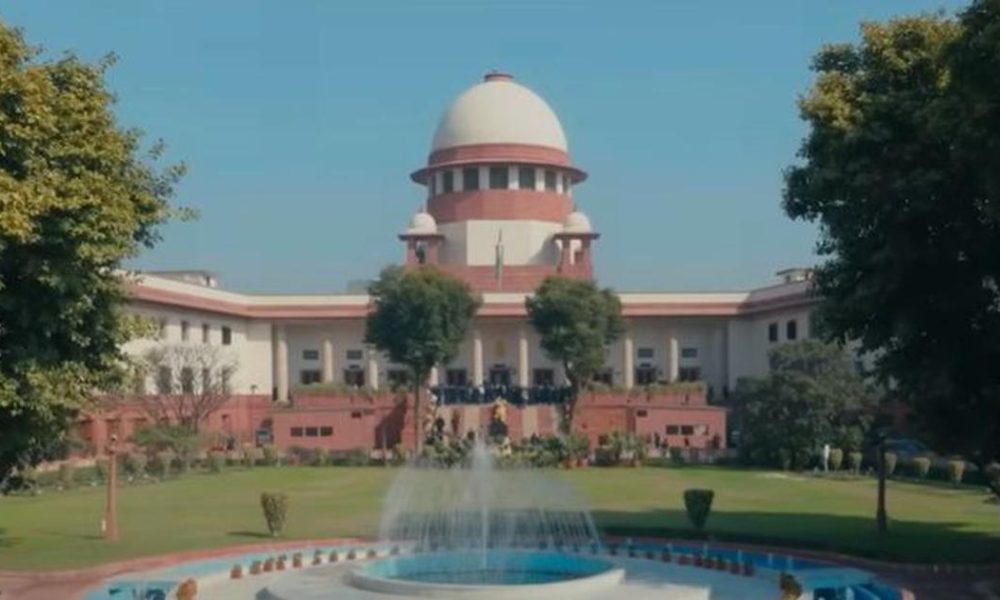
The Supreme Court of India has initiated a critical examination into whether English should be classified as a “non-indigenous” language within the framework of the Central Board of Secondary Education (CBSE)’s three-language policy. This inquiry arises amid a challenge from various petitioners regarding the CBSE’s mandate that students must learn three languages, including at least two Indian languages, starting from the academic year 2026-2027.
A bench comprising Chief Justice Surya Kant, Justice Joymalya Bagchi, and Justice V Mohana emphasized that this issue may require a thorough constitutional examination. They noted the historical and cultural significance of English in India, especially as several states have adopted it as an official language. This context is crucial for understanding the role of English in the Indian educational system.
During the hearing, the counsel for the petitioners argued that equating English with foreign languages is inappropriate due to its deep-rooted presence in Indian society. They expressed concerns over the potential impact on students, who may need to abandon subjects they have been studying for years to accommodate the learning of Indian languages from scratch. This shift, they argue, could disrupt their education and understanding of their chosen subjects.
Chief Justice Kant raised pertinent questions regarding the national integrity and cultural benefits of learning Indian languages, particularly for students from different regions. He suggested that it could be beneficial for a North Indian student to learn South Indian languages, fostering cultural understanding and unity across the country.
The petitioners have claimed that their primary concern lies in the timing of the policy’s implementation, arguing that introducing such a significant change midway through students’ academic journeys could create unnecessary turmoil. This challenge highlights the broader debate on language policy in India, where the balance between preserving linguistic heritage and adapting to global trends continues to be a contentious issue.
Source: scroll.in




No Comment! Be the first one.