

The Friendship Dilemma: Why Young Indians Feel Overconnected Yet Isolated
In today’s hyper-connected world, it’s not uncommon for young Indians to know about the life events of dozens of acquaintances—from the birth of a friend’s child to a colleague’s recent...

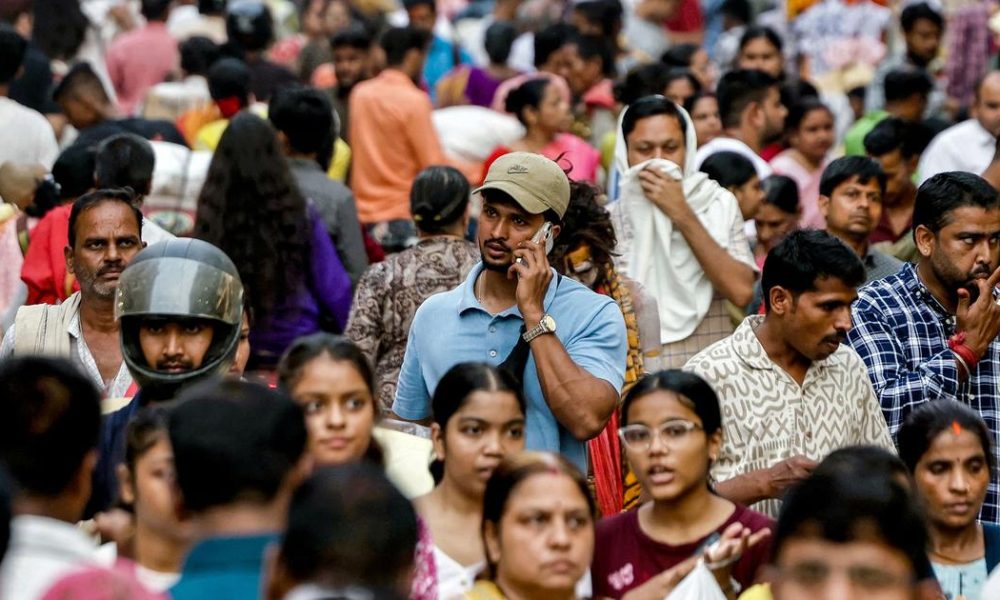
In today’s hyper-connected world, it’s not uncommon for young Indians to know about the life events of dozens of acquaintances—from the birth of a friend’s child to a colleague’s recent vacation. Social media platforms and instant messaging apps bombard users with updates and notifications almost incessantly. However, when faced with personal challenges, many young adults find it surprisingly difficult to reach out for support. This phenomenon, often referred to as the ‘friendship paradox’, highlights a troubling disconnect: despite being more connected than ever, young people frequently experience a sense of loneliness and detachment.
This disconnect is particularly relevant in the context of Indian society, where traditional values surrounding relationships and community often clash with modern digital interactions. While young adults are adept at maintaining numerous online connections, these relationships often lack depth and authenticity. Many individuals report that their interactions feel superficial, hurried, and curated, leaving them yearning for genuine intimacy and support.
The pressure to present an idealized version of oneself online contributes significantly to this issue. In India, where social standing and family reputation are of paramount importance, young people frequently feel compelled to conform to societal expectations. This can lead to a form of conditional acceptance within friendships and familial relationships, where individuals feel they must hide certain aspects of their true selves to avoid judgment or rejection. Such dynamics often result in a culture where vulnerability is seen as a weakness, making it even more challenging for young adults to seek help during tough times.
Moreover, this paradox is exacerbated by the fast-paced lifestyles that many young Indians lead today. Balancing work, education, and social obligations leaves little room for meaningful connection. As a result, while the number of friends and acquaintances may increase, the ability to forge deep, trusting relationships diminishes. This struggle is not unique to India, but the cultural context makes it particularly poignant.
The challenge for young people today is not merely about connecting through technology but rather fostering authentic relationships that promote emotional well-being. As discussions around mental health gain traction in India, it becomes crucial for individuals to recognize the importance of genuine connections. Encouraging open dialogues about mental health and vulnerability can help break down the barriers that prevent many young adults from seeking the support they need.
Source: scroll.in






No Comment! Be the first one.