

Understanding the Chilling Insights of ‘Regime Change’ on Trump’s Second Term
The political landscape of the United States has often been a subject of intense scrutiny and debate, especially during the tumultuous years of Donald Trump’s presidency. A recent book titled...

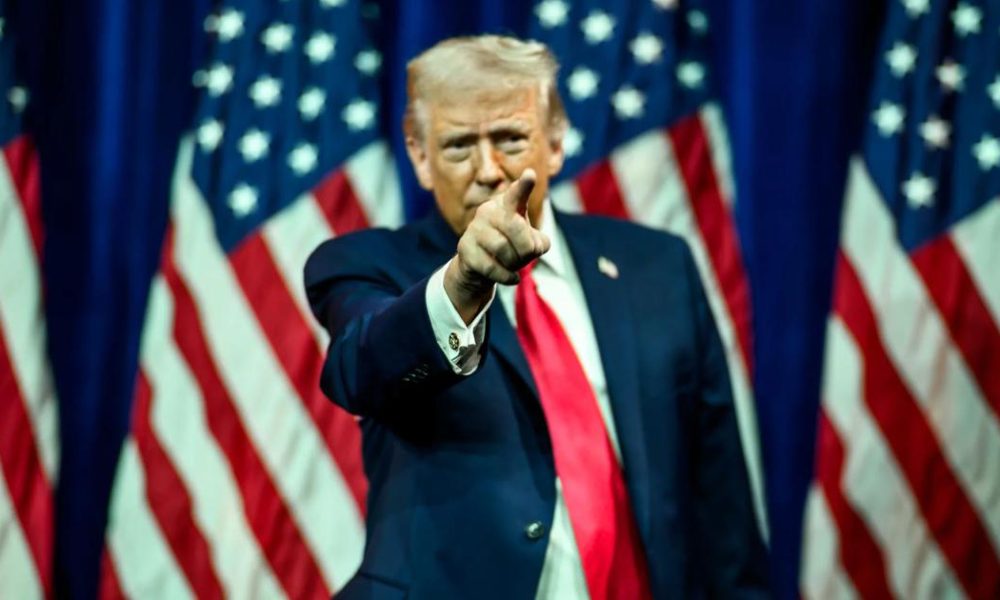
The political landscape of the United States has often been a subject of intense scrutiny and debate, especially during the tumultuous years of Donald Trump’s presidency. A recent book titled ‘Regime Change,’ authored by acclaimed journalists Maggie Haberman and Jonathan Swan, delves deep into the first year of Trump’s second term, presenting a narrative that is both enlightening and unsettling.
In the aftermath of World War II, political philosopher Leo Strauss introduced the term ‘reductio ad Hitlerum,’ cautioning against the tendency to draw comparisons with Adolf Hitler, as it often detracts from the discussion at hand. However, in the modern digital age, this caution has evolved. Attorney Mike Godwin noted that as lengthy online debates unfold, the likelihood of invoking Hitler or Nazi comparisons rises significantly. This phenomenon has led to a hesitance among commentators to make such analogies, even when they may offer critical insights into current leaders and regimes.
‘Regime Change’ strikingly illustrates this dilemma, particularly in its climactic final scenes where Haberman and Swan finally secure an interview with Trump. Their book, which has received widespread acclaim, encapsulates Haberman’s extensive history of covering Trump, dating back to his initial forays into real estate. Swan’s experience spans both of Trump’s terms, providing a dual perspective on the former president’s approach to media relations.
The authors depict Trump as employing two primary strategies when engaging with journalists: a charming, persuasive demeanor or a more aggressive, threatening stance. Just days before their much-anticipated interview, Trump took to his Truth Social platform to attack Haberman personally, showcasing the contentious relationship he often fosters with the press. Such encounters highlight the complex dance between political figures and the media, revealing how narratives are shaped and sometimes distorted in the public sphere.
As Indian readers reflect on these insights, they may draw parallels with their own political landscape, where media relations and the behavior of leaders often stir significant public interest and debate. ‘Regime Change’ serves as a reminder of the importance of accountability and transparency in governance, themes that resonate deeply within the context of Indian politics as well. With upcoming elections and changing political tides, understanding such international narratives can provide valuable lessons and reflections for the Indian electorate.
Source: scroll.in




No Comment! Be the first one.