

From Drought to Devastation: Golaghat District Faces Unprecedented Flooding After a Dry Spell
In a startling turn of events, the Golaghat district of eastern Assam has transitioned from drought conditions to catastrophic flooding in a matter of days. As July progressed, local farmer Babul...

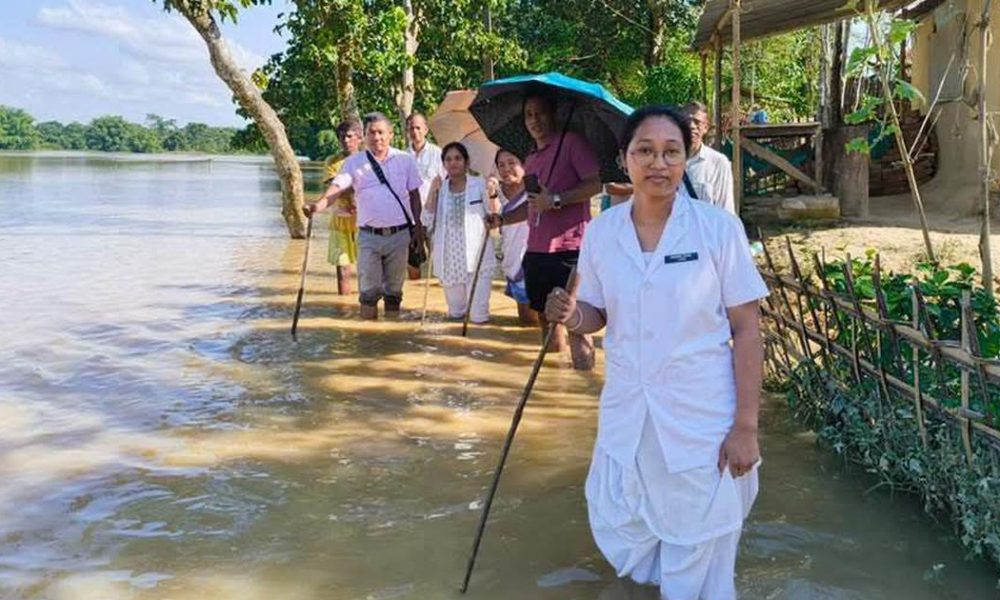
In a startling turn of events, the Golaghat district of eastern Assam has transitioned from drought conditions to catastrophic flooding in a matter of days. As July progressed, local farmer Babul Bora was anxiously awaiting the arrival of monsoon rains, which traditionally begin in early June. This year, however, the rains were delayed, leaving the fields parched and cracked, hampering the sowing of paddy, a staple crop for the region.
Bora, a 56-year-old farmer from Balidowa village, described the situation as dire, stating, “Khorang asile,” which translates to “there was a drought.” By mid-July, reports from district authorities indicated that three out of Golaghat’s six revenue circles were experiencing severe drought-like conditions. Farmers throughout the area were growing increasingly concerned about their livelihoods as the monsoon season seemed to elude them.
However, the situation took a dramatic turn on July 19, when heavy rainfall unexpectedly inundated the region. The Gelabil River, near Bora’s village, overflowed its banks, submerging homes, agricultural fields, and critical infrastructure. Between July 16 and July 22, Golaghat received a staggering 147% more rainfall than the seasonal average, according to the India Meteorological Department. This sudden deluge turned Golaghat into one of Assam’s most severely impacted districts.
The floods have been catastrophic, causing the tragic loss of over 100 lives and displacing approximately 700,000 individuals across Assam. The scale of this disaster is unprecedented, with many areas in Upper Assam now grappling with flooding that they have rarely experienced in the past. The rapid shift from drought to deluge has left farmers like Bora in despair, as floodwaters continue to rise, wreaking havoc on their crops and homes.
Bora lamented, “The floodwater killed us,” highlighting the emotional and economic toll this disaster has had on his community. As the waters show no signs of receding, local authorities and relief organizations are working tirelessly to provide aid and support to those affected. The dual challenges of drought and flooding underscore the urgent need for effective water management strategies and climate resilience measures in the region, as farmers face an uncertain future amidst the unpredictability of monsoon patterns.
Source: scroll.in







No Comment! Be the first one.