

Madras High Court Questions Tamil Nadu Police’s Denial of RSS March Permissions
The Madras High Court recently raised concerns regarding the Tamil Nadu Police’s decision to deny permission for Rashtriya Swayamsevak Sangh (RSS) marches, citing the presence of mosques along...

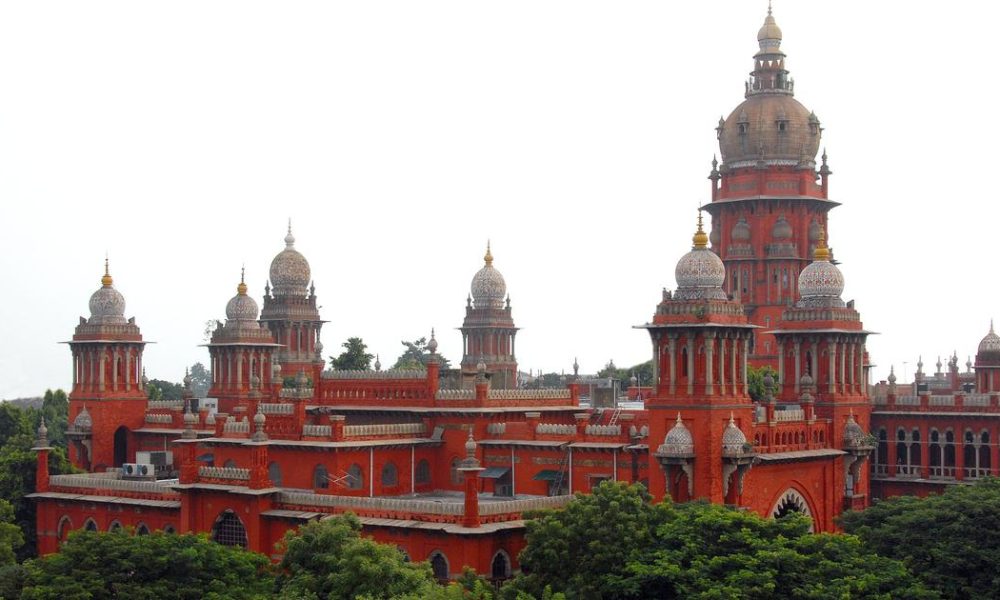
The Madras High Court recently raised concerns regarding the Tamil Nadu Police’s decision to deny permission for Rashtriya Swayamsevak Sangh (RSS) marches, citing the presence of mosques along the proposed routes. Justice V Lakshminarayanan emphasized that such justifications could unfairly tarnish the image of the Muslim community, urging the police to refrain from using religious presence as a basis for denying the RSS’s application.
This legal dispute emerged during a hearing of a petition filed by the RSS, which sought to conduct its annual processions across 128 locations in Tamil Nadu as part of the Dussehra celebrations. However, the police authorities were only willing to grant permission for 58 of these locations. As a result, the originally scheduled marches for Sunday have now been pushed to October 25 in northern Tamil Nadu and November 1 in the southern regions of the state.
Justice Lakshminarayanan’s remarks highlighted a critical point about the impact of law enforcement decisions on minority communities. He stated, “Don’t give Muslims a bad name,” in reference to the police’s rationale for the denial, which had invoked the presence of mosques as a hindrance to the RSS’s activities. The judge insisted that the police’s stance does not align with prior judicial principles that reject the notion of using religious demographics to restrict peaceful processions.
The RSS, known for its Hindutva ideology and as the ideological backbone of the ruling Bharatiya Janata Party (BJP), has faced scrutiny in various contexts, particularly concerning its communal narratives. The court’s intervention may serve as a reminder of the delicate balance that must be maintained between public order and the rights of organizations to assemble and celebrate their cultural heritage.
The discussion also brought to light the broader implications of such judicial scrutiny on communal relations in the state. As the RSS prepares for its postponed marches, the court’s observations may influence how local authorities assess similar requests in the future, especially when the presence of diverse religious sites is a factor. The outcome of this case could potentially set a precedent for how police permissions are granted in contexts where multiple communities coexist.
Source: scroll.in





No Comment! Be the first one.