

From Drought to Deluge: Golaghat District in Assam Faces Severe Flooding After Prolonged Dry Spell
The monsoon season in Assam has always been characterized by its heavy and consistent rainfall, typically beginning in the first week of June. However, this year, the farmers in Golaghat district...

The monsoon season in Assam has always been characterized by its heavy and consistent rainfall, typically beginning in the first week of June. However, this year, the farmers in Golaghat district have been left perplexed as they faced an unusual drought that persisted well into July. Babul Bora, a 56-year-old farmer from Balidowa village, reported seeing cracks forming in his fields, a worrying sign for rice cultivators who rely on timely rains for sowing their crops.
By mid-July, the situation was dire, with three of the six revenue circles in Golaghat suffering from conditions akin to a drought. With no rains in sight, farmers like Bora were anxiously waiting for the monsoon to bring relief, hoping to begin their sowing process. According to local authorities, these drought-like conditions were confirmed as the region continued to experience an alarming lack of rain.
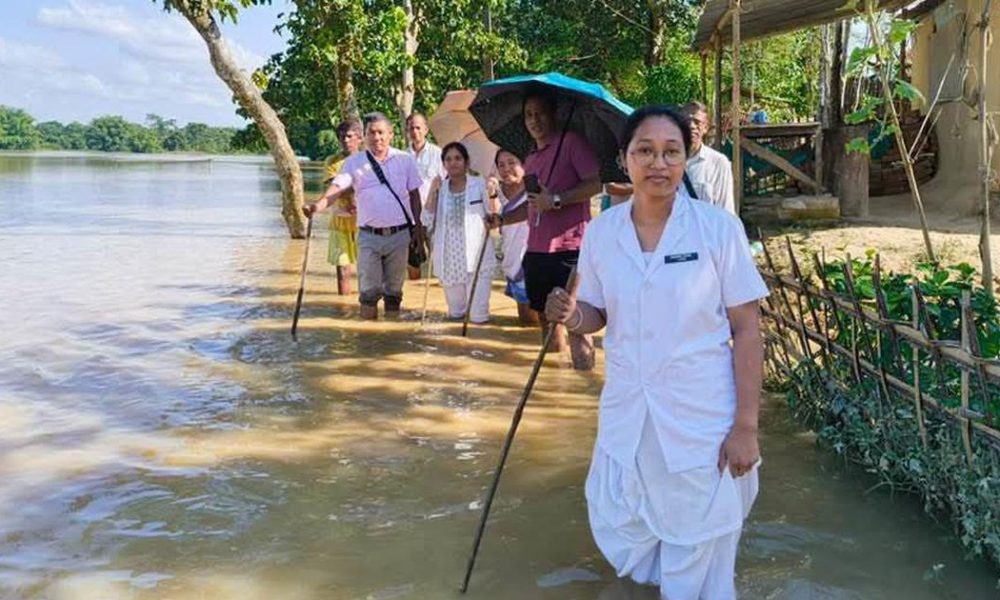
However, just when the farmers were beginning to accept the harsh reality of a delayed monsoon, nature took an unexpected turn. On July 19, torrential rains struck the region, leading to a sudden rise in the water levels of the Gelabil river, which inundated homes and agricultural lands. The India Meteorological Department reported that between July 16 and July 22, Golaghat experienced a staggering 147% increase in rainfall compared to the normal levels.
The swift transition from drought to flooding was devastating for the residents of Golaghat. The district quickly emerged as one of the four most affected areas in Assam, with over 100 fatalities reported and approximately seven lakh residents displaced due to the floods. Upper Assam, an area not usually associated with such extreme flooding, has been battered by relentless waters that have disrupted lives and livelihoods, causing significant damage to infrastructure and homes.
Bora, reflecting on the impact of the floods, lamented, “The floodwater killed us.” The relentless rise in water levels has led to a severe humanitarian crisis, leaving many families struggling for food and shelter. As the water continues to linger in low-lying areas, the focus now shifts to recovery and relief efforts, as the affected communities endeavor to rebuild their lives amidst the ruins left by the unpredictable forces of nature.
Source: scroll.in






No Comment! Be the first one.