

Exploring the Intertwined Legacy of Religion and Governance in India’s History
The intricate relationship between religion and governance in India has fascinated historians and scholars for centuries. A recent exploration by academics Arjun Appadurai and Carol A. Breckenridge...

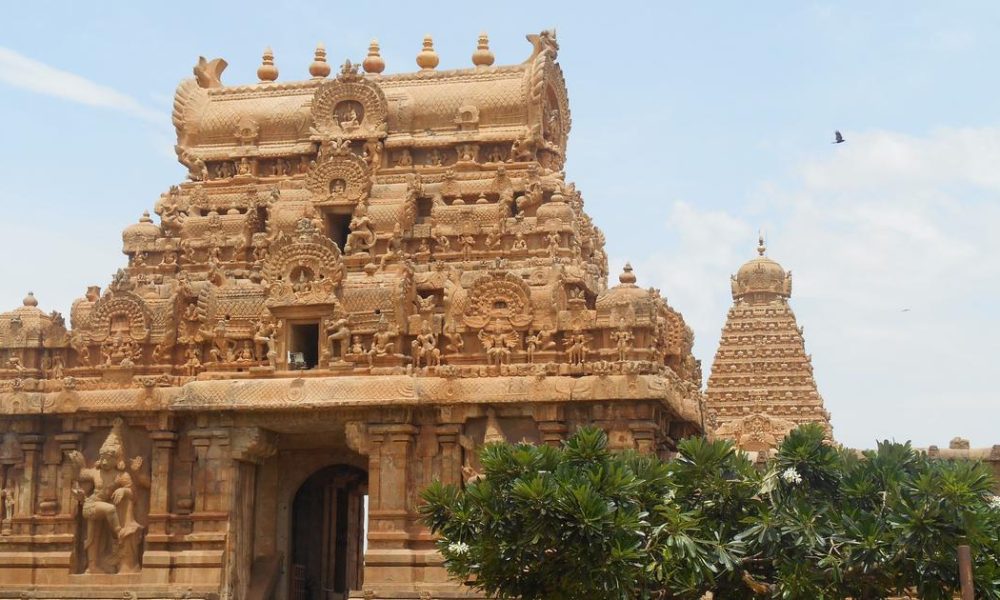
The intricate relationship between religion and governance in India has fascinated historians and scholars for centuries. A recent exploration by academics Arjun Appadurai and Carol A. Breckenridge delves deep into this connection, particularly within the context of South Indian temples.
Focusing on the temples of Chennai and Madurai, their research highlights how deities were venerated as sovereign entities, akin to kings. The daily rituals performed in these sacred spaces, known as rājōpachāra, are essentially royal honors paid to the deities. This practice involves elaborate ceremonies filled with royal symbols such as palanquins, dancers, musicians, and adorned with flowers, crowns, and jewelry, showcasing a ceremonial grandeur that mirrors the treatment of actual royalty.
During significant events like processions and temple festivals, the principal deity is paraded through the streets, drawing devotees eager to witness the divine presence, offer prayers, and seek blessings. This ritualistic engagement evokes a parallel with how monarchs would connect with their subjects, creating a strong sense of community around the divine.
Moreover, the authority attributed to these deities extends beyond the temple walls. They function as powerful entities commanding resources vital for sustaining the ritual practices. This includes land, jewelry, and various forms of patronage, often acquired through generous donations from devotees. Such support underscores the economic dynamics at play, where the divine is intricately linked to material wealth and social structure.
The perception of deities as sovereigns illustrates a long-standing tradition in which religion and governance are not merely separate domains but are interwoven into the fabric of Indian society. This relationship has evolved through various historical epochs, from the reign of the Cholas to the era of British colonialism, making it a significant area of study for understanding the complexities of Indian identity and governance.
Source: scroll.in






No Comment! Be the first one.