

CAG Report Highlights E. Coli Contamination in Drinking Water at Indian Railway Stations
A recent audit report by the Comptroller and Auditor General (CAG) has raised serious concerns regarding the safety of drinking water at railway stations across India. The report reveals alarming...

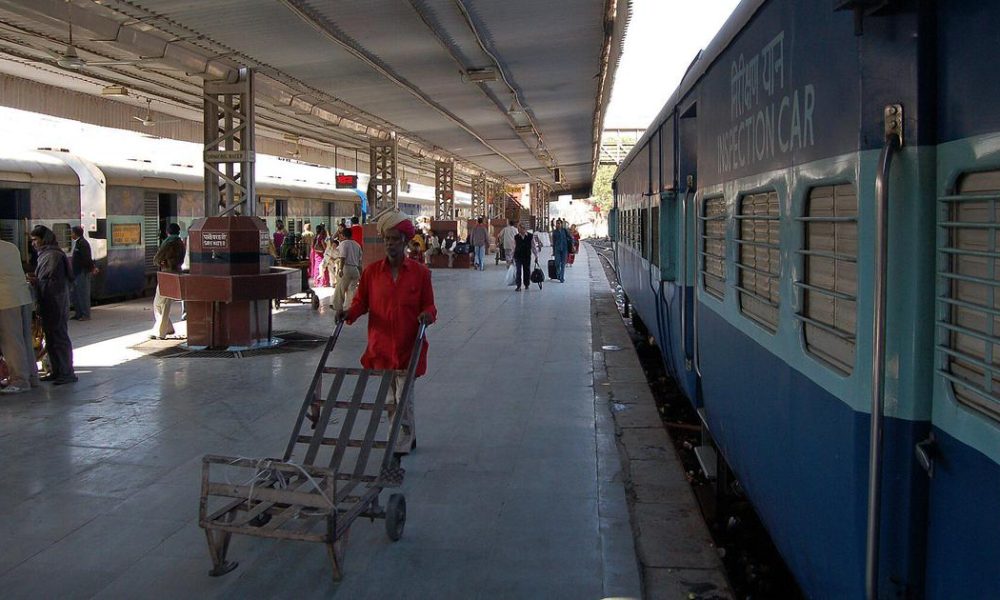
A recent audit report by the Comptroller and Auditor General (CAG) has raised serious concerns regarding the safety of drinking water at railway stations across India. The report reveals alarming instances of E. Coli bacteria, typically associated with faecal contamination, found in water samples taken from various coolers at multiple railway stations.
The CAG conducted a thorough examination of drinking water quality at 49 railway stations and discovered that eight of these locations tested positive for E. Coli. Notably, three of the affected stations are situated within the Mumbai Metropolitan Region, underscoring the widespread nature of this troubling issue. The report, titled “Passenger Amenities and Sanitation at Non-Suburban Railway Stations in Indian Railways,” was published on August 5.
Among the railway stations identified with E. Coli contamination are prominent locations including Coimbatore and Palakkad Junction in the Southern Railway zone, as well as Hyderabad in the South Central Railway region. Additionally, several stations in the Central Railway region, such as Chhatrapati Shivaji Maharaj Terminus, Bhiwandi Road, Kalyan, and Lonavala, were also flagged for unsafe drinking water. The Eastern Railway region’s Madhupur station was found to be similarly affected.
The presence of E. Coli bacteria in drinking water is alarming as it poses health risks, potentially leading to food poisoning, severe diarrhoea, and urinary tract infections. The report also highlighted that total coliform bacteria, which includes E. Coli, were detected in drinking water samples from platform taps at all 49 stations tested. Total coliform bacteria are a group of microorganisms that serve as a key indicator of water safety, suggesting contamination from soil or human and animal waste.
This investigation by the CAG calls into question the sanitation practices and water management protocols at Indian railway stations, which serve millions of passengers daily. The findings serve as a crucial reminder of the urgent need for improvements in infrastructure and hygiene standards in public transport facilities. As the railway network continues to expand, ensuring the health and safety of passengers should remain a top priority for the authorities concerned.
Source: scroll.in






No Comment! Be the first one.