

Delhi Police Push for Death Penalty for Tahir Hussain and Four Others in IB Staffer’s Murder Case
The Delhi Police have formally requested a city court to impose the death penalty on former Aam Aadmi Party councillor Tahir Hussain and four accomplices in connection with the murder of Intelligence...

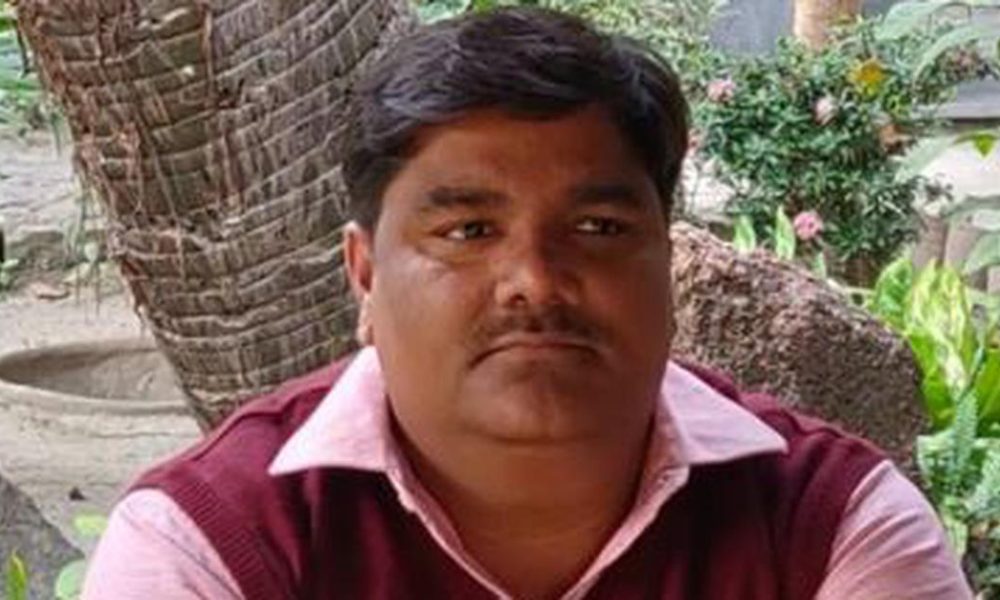
The Delhi Police have formally requested a city court to impose the death penalty on former Aam Aadmi Party councillor Tahir Hussain and four accomplices in connection with the murder of Intelligence Bureau officer Ankit Sharma during the violent riots that erupted in the capital in 2020. This dramatic plea highlights the gravity of the crime and the police’s commitment to seeking justice for the victim’s family.
During the court proceedings, the Delhi Police’s counsel described Sharma’s murder as both cold-blooded and brutal. The lawyer emphasized the lack of mercy shown during the incident, stating, “Those who want mercy should also show mercy.” This statement underscores the police’s argument that the circumstances surrounding Sharma’s death warrant a severe penalty. The counsel further elaborated that there was no evidence presented that indicated any attempts to aid Sharma, who was ultimately killed by a violent mob.
On the other hand, the defense team representing Hussain and his co-defendants—identified as Javed, Anas, Nazim, and Kasim—contested the police’s request for capital punishment. They argued that the death penalty should only be considered in the rarest of rare cases, suggesting that the court should exercise caution in its judgment. The defense’s stance reflects ongoing debates within the legal system regarding the appropriateness of capital punishment in India.
This case has drawn significant attention, particularly because of the broader context of the 2020 Delhi riots, which resulted in widespread violence and loss of life. Ankit Sharma was among many victims caught in the crossfire of sectarian strife that gripped the city during that period. His brutal death, marked by his body being dumped in a drain, has raised serious concerns over public safety and the rule of law in the country.
Previously, on July 13, a sessions court found Hussain guilty on multiple charges, including murder, rioting, and promoting enmity between groups. While he was convicted of various serious offenses, the court’s decision to clear him of some charges stirred controversy and debate regarding the judicial process in such high-profile cases.
As the court reserves its verdict, with an order expected to be issued on Friday, the case continues to be a focal point for discussions on justice, communal harmony, and the responsibilities of political leaders in maintaining peace. The outcome will not only impact the lives of those directly involved but will also resonate throughout the community as a reminder of the consequences of hate and violence.
Source: scroll.in







No Comment! Be the first one.