

Delhi and Bombay High Courts Establish Fast-Track Courts for Exam Paper Leak Cases
The Delhi and Bombay High Courts have taken a significant step towards addressing the growing concerns over examination malpractices by designating special fast-track courts specifically for cases...

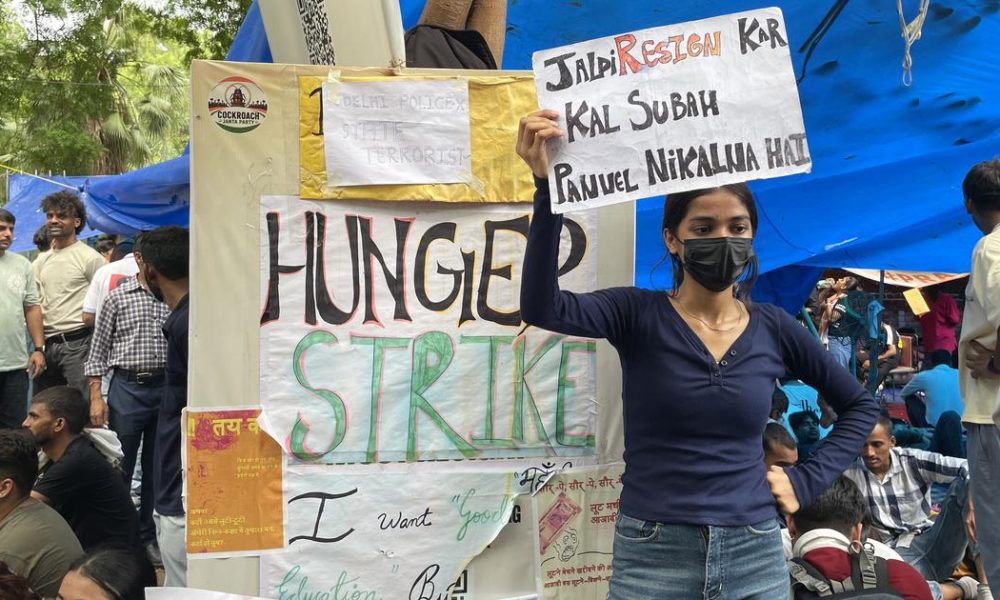
The Delhi and Bombay High Courts have taken a significant step towards addressing the growing concerns over examination malpractices by designating special fast-track courts specifically for cases related to question paper leaks. This initiative follows Prime Minister Narendra Modi’s recent announcement aimed at combating corruption in public examinations, a move that resonates with the youth who have been protesting against alleged irregularities in the education system across the nation.
In a swift response to the Prime Minister’s call to action, the Delhi High Court promptly issued a notification to set up its fast-track court on Thursday, just hours after Modi’s announcement. Similarly, the Bombay High Court followed suit with a corresponding order on the following day. The establishment of these courts underscores the government’s commitment to ensure timely justice and reinforce the integrity of educational assessments.
During his address, Prime Minister Modi emphasized the necessity of these fast-track courts to deliver prompt judgments against those found guilty of involvement in paper leaks. He urged relevant authorities and officials to implement all required measures to facilitate this initiative. The Delhi fast-track court will operate from the Rouse Avenue Court Complex and will be presided over by Judge Anu Grover Baliga, who is expected to handle cases with a focus on efficiency and fairness.
In Maharashtra, the Bombay High Court has designated two fast-track courts in Aurangabad and Nagpur. These courts will conduct trials under the new 2024 Public Examinations Prevention of Unfair Means Act, which requires that cases be resolved within a three-month timeframe. Judge SV Pawar will oversee proceedings in Aurangabad, while Judge Gulshan Kolte will lead the court in Nagpur. This legislative framework aligns with the government’s broader objectives to enhance transparency and accountability within the educational sector.
The establishment of these fast-track courts serves as a critical response to the mounting public outcry regarding the integrity of examinations, particularly as various protests have emerged across the country. Many students and activists have voiced their concerns, demanding stricter measures to prevent incidents of cheating and fraud in public assessments. By instituting these specialized courts, the judiciary aims to restore faith in the examination process and deter future misconduct.
Source: scroll.in







No Comment! Be the first one.