

Youth-Led Uprisings in South Asia: Can India Escape the Same Fate?
In recent years, a wave of youth-led protests has swept across South Asia, leading to the ousting of governments in Sri Lanka, Bangladesh, and Nepal. Notably, these movements were driven by younger...

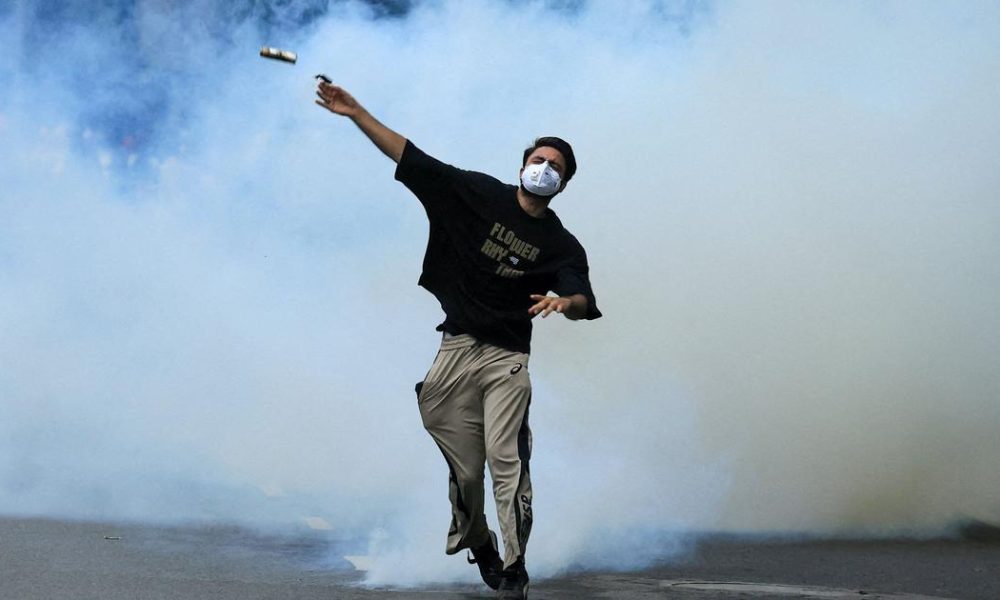
In recent years, a wave of youth-led protests has swept across South Asia, leading to the ousting of governments in Sri Lanka, Bangladesh, and Nepal. Notably, these movements were driven by younger generations taking to the streets, with significant events unfolding in Colombo in 2022, Dhaka in 2024, and Kathmandu in 2025. Meanwhile, in India, a similar sentiment is brewing, as seen in recent protests in Delhi where thousands rallied under a satirical movement inspired by a judge’s alleged insult. The focus of these protests has been on the resignation of the Education Minister, accused of mishandling major public examinations.
While it is easy to categorize these events as generational clashes, this oversimplification does not capture the underlying reasons behind the unrest. Notably, the face of the Indian movement is not a youthful protester but a 59-year-old activist, Sonam Wangchuk, who has been on a hunger strike since late June. This highlights a broader coalition of concern that spans generations, indicating that the reasons for unrest extend beyond mere age demographics.
Analysis reveals that four critical factors contribute to the upheaval seen in these nations, and India aligns with three of them. The first is the alarming rate of educated unemployment. India produces approximately five million graduates annually, yet only 2.8 million secure jobs. This has resulted in a staggering increase in the unemployment rate among graduates aged 20 to 29, from 46% in 2017 to 67% in 2023. This disconnection between education and employment opportunities undermines the social contract that families have long relied on, often at great financial cost.
Another factor at play is the erosion of trust in governance, exacerbated by recent scandals, including the cancellation of key medical entrance exams in India due to alleged mismanagement and leaks. The public’s frustration with governmental incompetence has sparked demands for accountability, particularly from the ruling party’s critics, who are calling for the resignation of key figures in charge of education.
The third contributing aspect is the increasing political awareness among youth, who are leveraging social media and online platforms to organize and voice their dissent. The ease of communication and mobilization has made it possible for young people to come together and demand change in unprecedented ways. In this context, India’s youth are echoing the frustrations seen in their South Asian neighbors, raising critical questions about the future of governance in the country.
Source: scroll.in







No Comment! Be the first one.