

Unveiling the ‘Muslim Wage Gap’: Unemployment and Income Disparities in Canada
Recent investigations into Canada’s workforce reveal troubling disparities that affect workers based on various social factors such as gender, race, and immigration status. These intersecting...

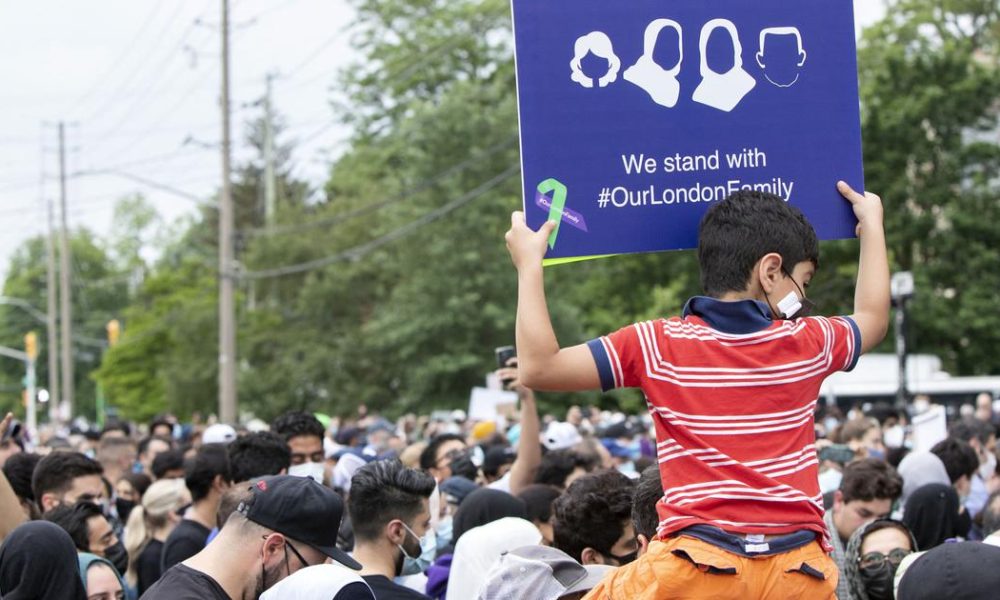
Recent investigations into Canada’s workforce reveal troubling disparities that affect workers based on various social factors such as gender, race, and immigration status. These intersecting identities often create distinctive barriers that lead to unfavorable outcomes in employment, income, and job distribution. Particularly striking is the situation of racialized immigrant women, who face what is termed a ‘triple disadvantage.’ This demographic consistently reports higher unemployment rates and lower earnings compared to their peers, highlighting the systemic barriers that pervade the Canadian labor market and undermine the notion of meritocracy.
In this context, a recent report titled ‘Working While Muslim’ has shed light on the employment landscape for Muslims in Canada. Conducted by a team of researchers using data from the 2021 census along with a survey of 423 Muslims residing in the Greater Toronto and Hamilton Area (GTHA), the study aims to unveil the unique challenges faced by this community in the labor market.
The findings of the report are alarming. It reveals that Muslims in the GTHA experience markedly higher unemployment rates, encounter significant job segregation, and earn lower wages than individuals who are not Muslim. Even after accounting for variables such as gender, immigration status, and visible minority status, the disparities persist. This indicates that the challenges faced by Muslims in the labor force are not solely linked to their demographic characteristics, but rather point to deeper systemic issues that contribute to unequal opportunities in the job market.
The relevance of this analysis is particularly acute in the current socio-political climate, where discussions around immigration and integration are prevalent. Understanding the root causes of these disparities is crucial for policymakers and social advocates who aim to create a more equitable labor environment for all Canadians. The insights from the ‘Working While Muslim’ report not only highlight the need for focused interventions but also encourage a broader dialogue on the importance of inclusivity in employment practices.
As Canada grapples with its identity as a multicultural society, the labor market outcomes for marginalized communities, including Muslims, must be addressed. By recognizing these systemic challenges and implementing effective strategies, Canada can strive towards a more just and equitable workforce where opportunities for success are accessible to everyone, regardless of their background.
Source: scroll.in







No Comment! Be the first one.