

Maharashtra Forms Committee to Review Reservation Benefits for STs Converting to Other Faiths
The Maharashtra government has constituted a 27-member committee tasked with evaluating whether individuals from Scheduled Tribes (STs) who convert to other religions should continue to benefit from...

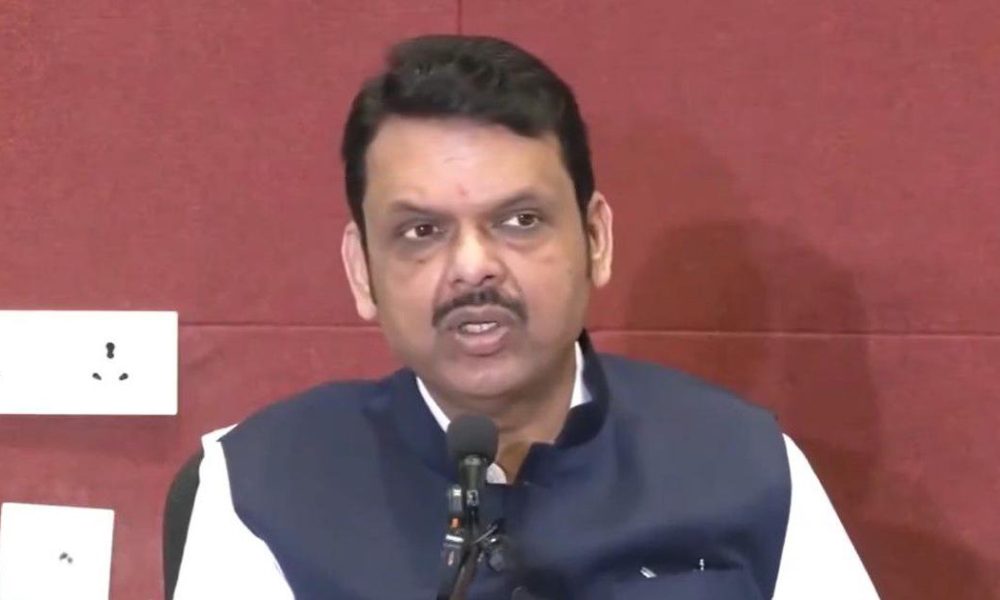
The Maharashtra government has constituted a 27-member committee tasked with evaluating whether individuals from Scheduled Tribes (STs) who convert to other religions should continue to benefit from government reservations and other welfare measures. This panel, led by Ashok Uike, the state’s Tribal Development Minister, is expected to scrutinize both central laws and the legal frameworks adopted by other states before making recommendations specific to Maharashtra.
As outlined in a government resolution issued on July 16, the committee will delve into the complexities surrounding the status of STs who change their faith. Notably, the resolution did not stipulate a timeline for the submission of the committee’s findings. Historically, the 1950 Constitution Scheduled Caste Order allows only those of Hindu, Buddhist, and Sikh backgrounds to claim Scheduled Caste status. In contrast, individuals from Scheduled Tribes retain their classification regardless of the religion they adhere to.
The debate surrounding this issue gained traction in May, when the Janjatiya Suraksha Manch, a group backed by the Rashtriya Swayamsevak Sangh-affiliated Vanvasi Kalyan Ashram, approached President Droupadi Murmu and Prime Minister Narendra Modi. They advocated for a policy change that would “delist” ST members who convert to other faiths, arguing that abandoning indigenous Adivasi customs for other religions should disqualify them from reservation benefits.
The proposal has sparked discussions about the future of reservation policies in India and raises questions about identity and social justice. Critics of the proposal maintain that such a move could undermine the rights of many individuals who may still identify culturally and socially with their tribal roots, even after converting.
As the committee begins its inquiry, it will have to navigate a sensitive landscape of cultural identity, legal rights, and the implications of such a policy shift on the lives of the affected communities. The outcome could set a significant precedent in how reservations are administered across the state, potentially influencing similar discussions in other regions of the country.
Source: scroll.in







No Comment! Be the first one.