

Citizens Urge PM Modi to Engage in Dialogue with Hunger-Striking Students in Delhi
A coalition of concerned citizens has reached out to Prime Minister Narendra Modi, appealing for a meaningful dialogue with students who have been conducting a hunger strike at Jantar Mantar in Delhi...

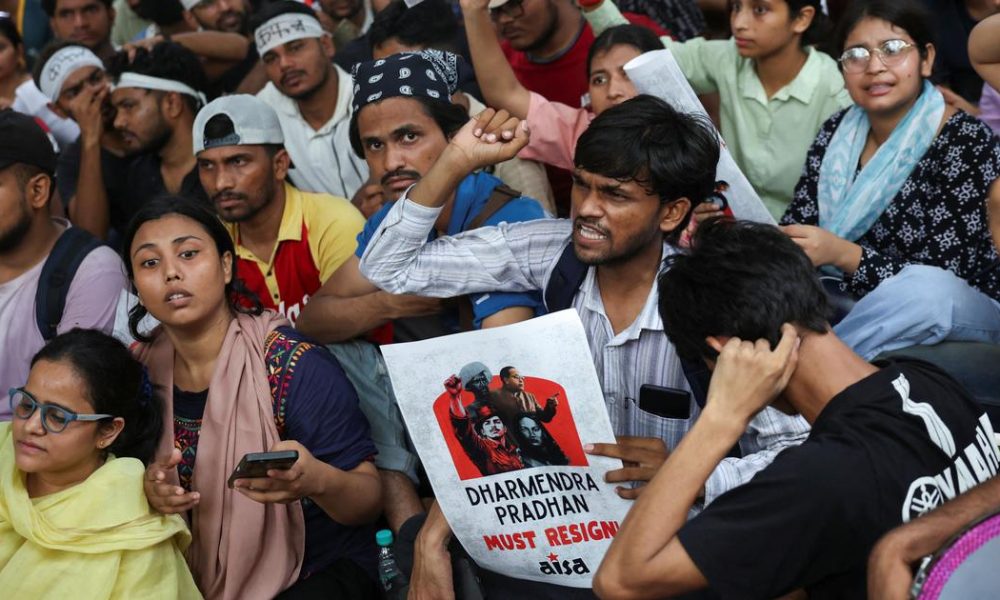
A coalition of concerned citizens has reached out to Prime Minister Narendra Modi, appealing for a meaningful dialogue with students who have been conducting a hunger strike at Jantar Mantar in Delhi since June 28. This protest, spearheaded by members of the All India Students’ Association, including Neha Bora, Manish Kumar, and Aameen Amitosh, has gained substantial traction, particularly in light of the involvement of noted activist Sonam Wangchuk. The group is demanding the resignation of Union Education Minister Dharmendra Pradhan, citing serious mismanagement surrounding competitive examinations.
The hunger strike, which has now entered its 22nd day, is part of a broader protest movement orchestrated by the political campaign known as the Cockroach Janta Party. These students are voicing their grievances over issues they believe are critical to the future of education in India. Their call for action underscores a growing frustration among the youth regarding the state of educational governance and transparency in examination processes.
On Saturday, the situation escalated when Sonam Wangchuk was forcibly taken to a hospital by Delhi Police. Authorities claimed that this action was taken to ensure he received necessary medical care, following a directive from the Delhi High Court. However, the group of citizens who wrote to the Prime Minister expressed deep concern over the manner in which Wangchuk was handled, asserting that instead of engaging in conversation, the government opted for a more aggressive approach.
The letter emphasized that Wangchuk is currently hospitalized against his wishes, restricted from meeting with visitors, and being treated as if his plight is inconsequential. The citizens argued that the government’s actions display a troubling indifference to the students’ demands, particularly amidst fears for their health and well-being as the hunger strike continues.
This incident highlights a broader issue of how student voices are often sidelined in India’s educational discourse, raising questions about the role of government in addressing their concerns. As the protest persists, the call for dialogue grows louder, suggesting that the future of student activism in India may hinge on how authorities respond to these urgent appeals.
Source: scroll.in






No Comment! Be the first one.