

Taslima Nasrin Set to Revisit Kolkata After 16 Years: A Reflection on Exile and Identity
In a significant turn of events, renowned Bangladeshi author Taslima Nasrin is scheduled to return to Kolkata after almost two decades. The writer, who has become a symbol of resistance against...

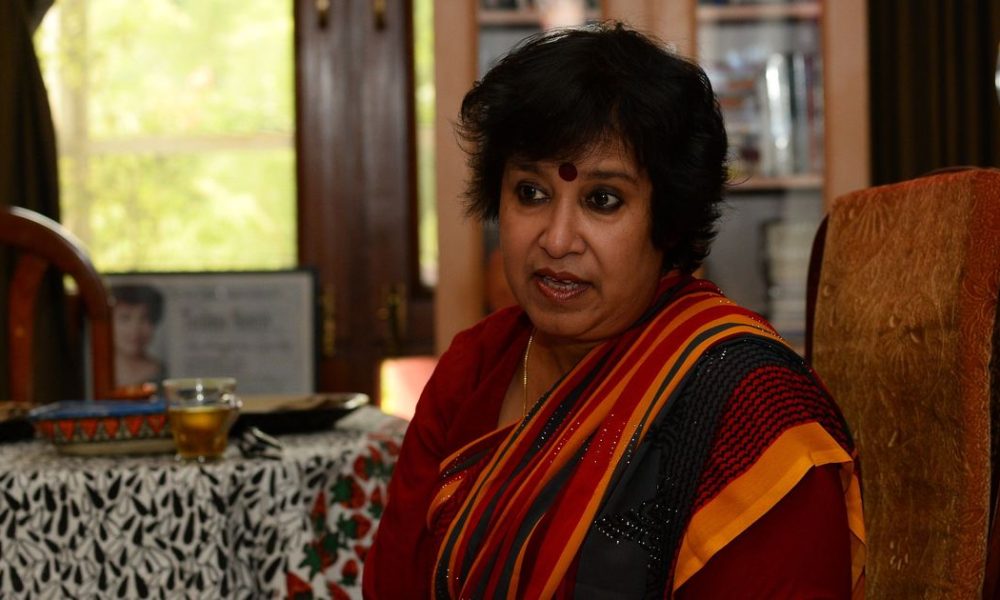
In a significant turn of events, renowned Bangladeshi author Taslima Nasrin is scheduled to return to Kolkata after almost two decades. The writer, who has become a symbol of resistance against fundamentalism, will participate in a literary event at Rabindra Sadan on August 1. This visit marks her first return to the city she was compelled to leave in 2007 due to threats from extremist groups who claimed her autobiography, Dwikhandito, offended their religious sentiments.
Nasrin’s connection to Kolkata runs deep; she spent three years there before her exile, describing the city as her second home. Currently residing in Delhi, her upcoming visit has stirred a mix of excitement and concern among her supporters and critics alike. The organizers of the literary gathering have announced that West Bengal Chief Minister Suvendu Adhikari will honor her, reflecting a notable political shift for a writer who faced hostility from previous administrations, including those led by the Left Front and the Trinamool Congress.
Notably, the event is anticipated to attract various prominent figures, including writer Shirshendu Mukhopadhyay and Finance Minister Swapan Dasgupta. However, the celebration of Nasrin’s return to Kolkata brings forth a complicated and pressing question: Will she ever be able to return to Bangladesh, her country of origin? The current sentiment suggests that such a return remains unlikely.
Since fleeing Bangladesh in 1994 during the tenure of Prime Minister Khaleda Zia, Nasrin has faced relentless challenges, including death threats and numerous legal battles due to her outspoken views on religion and women’s rights. Over the years, various political regimes in Bangladesh have had the opportunity to reshape her narrative, yet each has opted to maintain the status quo regarding her exile.
As she prepares for her return, the literary community and human rights advocates are hopeful that Nasrin’s presence may reignite discussions about freedom of expression and the plight of writers who face persecution for their beliefs. While Kolkata welcomes her back with open arms, the question of her future in Bangladesh lingers, highlighting the ongoing struggle for individual rights in a complex political landscape.
Source: scroll.in







No Comment! Be the first one.