

Lessons on Social Inequality Learned from Waiting in Line for Toilets: A Dalit Writer’s Memoir
In a poignant reflection on the intersection of personal experiences and systemic social issues, a Dalit writer shares how his early childhood memories are inextricably linked to the state of the...

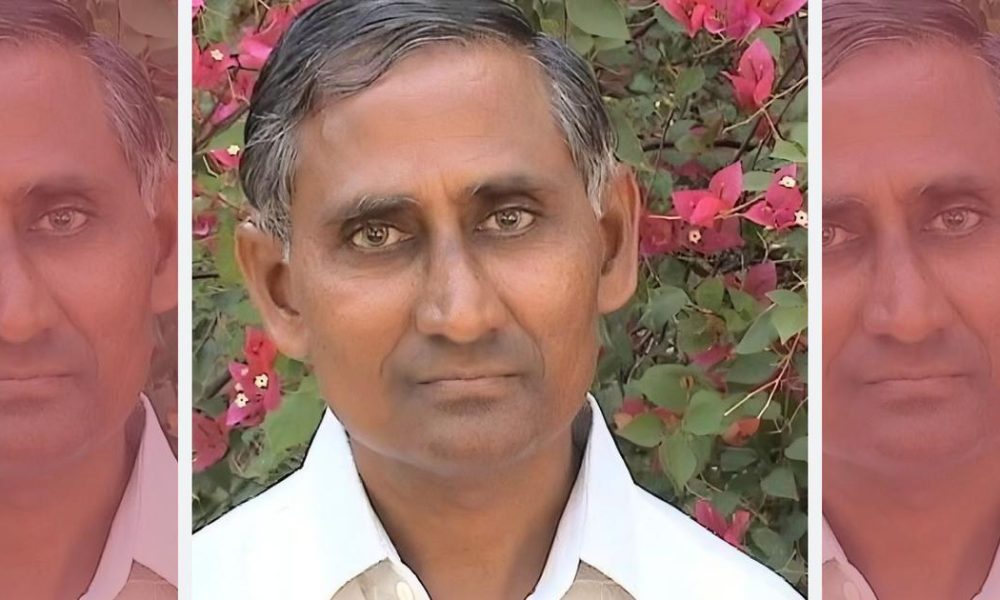
In a poignant reflection on the intersection of personal experiences and systemic social issues, a Dalit writer shares how his early childhood memories are inextricably linked to the state of the toilets in his community. Growing up in a chawl named after its owner, Hiralal, the writer recounts the grim reality of living without access to adequate sanitation facilities. The struggle for basic needs, such as a clean place to relieve oneself, becomes a vivid illustration of the broader social inequalities faced by marginalized communities in India.
The writer highlights a stark reality: the chawl where he lived did not have a single public toilet, forcing residents to rely on the poorly maintained facilities of Hiralal’s chawl. While children could manage to find makeshift solutions in the open, the plight of adults—especially women—was far more serious. The experiences described reflect the harsh conditions faced by many in the community, particularly the Rohits, who belong to the tanner caste and had migrated from the fertile regions of Charotar in Gujarat.
Moreover, the writer illustrates the cultural dynamics within the chawl, where different castes reside together, yet experience life through significantly different lenses. The Vankars, who are traditionally weavers, also inhabit the same space, leading to a complex interplay of social hierarchies and daily struggles. The narrative emphasizes how such basic necessities as sanitation are often overlooked in discussions about social justice and equity. This writer’s memoir serves as a powerful reminder of how lives are entwined with the most fundamental aspects of human dignity.
By sharing these intimate memories, the writer sheds light on the pressing issues of caste-based discrimination and the daily indignities faced by those in lower strata of society. The memoir highlights the urgent need for social reform in India, particularly in terms of sanitation and public health, which are essential for human dignity and equality.
In conclusion, the reflections of this Dalit writer resonate deeply in a society grappling with its caste system and the ongoing struggle for equality. The stark realities of life presented in his memoir not only evoke empathy but also call for a collective effort to address these pervasive issues. As India progresses, the need for equitable access to basic facilities, such as toilets, remains a pressing challenge that continues to affect millions.
Source: scroll.in







No Comment! Be the first one.