

West Bengal Government Withdraws Supreme Court Appeal on OBC Status for 77 Muslim Communities
The political landscape in West Bengal continues to shift as the state government, led by the Bharatiya Janata Party (BJP), has officially withdrawn its appeal to the Supreme Court regarding a...

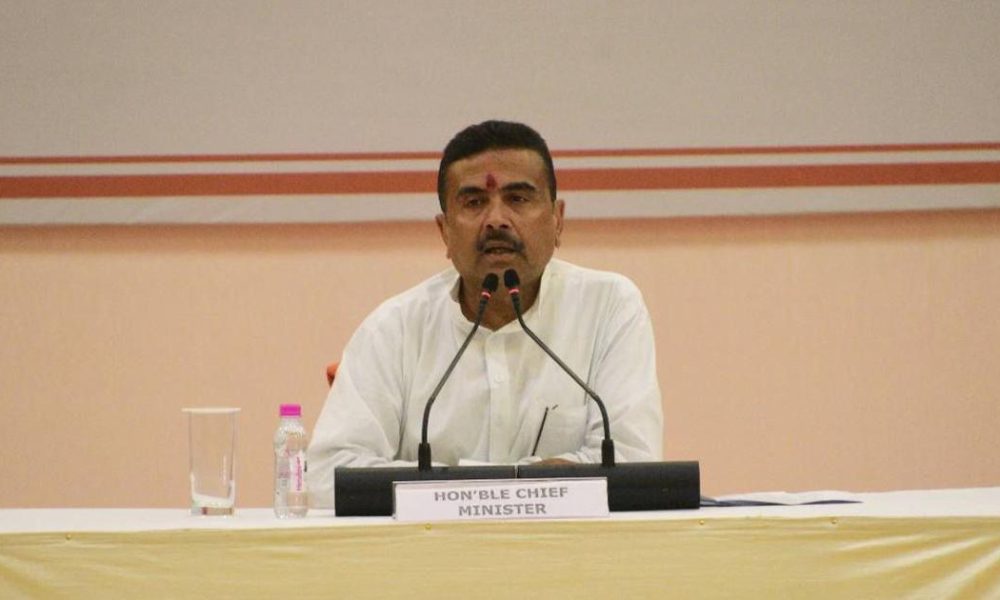
The political landscape in West Bengal continues to shift as the state government, led by the Bharatiya Janata Party (BJP), has officially withdrawn its appeal to the Supreme Court regarding a contentious Calcutta High Court ruling. This ruling invalidated the inclusion of 77 Muslim communities in the state’s Other Backward Classes (OBC) list, a decision that has significant implications for social justice and political representation in the region.
The appeal was initially filed by the previous Trinamool Congress (TMC) government, which lost power to the BJP during the Assembly elections held in May 2023. The BJP’s withdrawal of the appeal, alongside the State Backward Classes Commission’s decision to retract its independent challenge, signifies a pivotal moment in the ongoing discourse surrounding caste-based reservations.
In its landmark May 2024 judgement, the High Court had not only struck down the OBC status for these communities but also reduced the overall OBC reservation from 17% to 7%. This ruling has sparked debates regarding the representation of various communities within the state’s political framework. The High Court’s decision followed an examination of the criteria used for the classification of backward classes, raising questions about the inclusiveness and fairness of the OBC list.
In response to the High Court’s directive, the West Bengal Assembly passed two bills on June 29 to amend laws concerning OBC reservations. These amendments aim to revise the allocation of OBC quotas and remove several Muslim communities from the list, aligning state law with the High Court’s ruling. The prior OBC list included a total of 113 sub-groups, comprising 77 Muslim and 36 non-Muslim communities, highlighting the diverse socio-economic fabric of West Bengal.
The Supreme Court has permitted the withdrawal of the state’s plea while clarifying that this action does not impede other parties from contesting the High Court’s verdict. This legal situation opens the door for potential future challenges, underscoring the contentious nature of caste politics in India, particularly in a state where communal identities significantly influence electoral dynamics.
As West Bengal navigates these complex issues, the implications of the High Court’s decision and the state government’s response will undoubtedly continue to resonate throughout the political and social landscape, prompting ongoing discussions about equity, representation, and the evolving narrative of backward classes in India.
Source: scroll.in






No Comment! Be the first one.