

India’s Wholesale Inflation Surge: June Sees 9.8% Rise Driven by Food and Energy Prices
In a concerning development for the Indian economy, wholesale price inflation rose to 9.8% in June, up from 9.6% in May. The data, released by the Ministry of Commerce and Industry, indicates that...

In a concerning development for the Indian economy, wholesale price inflation rose to 9.8% in June, up from 9.6% in May. The data, released by the Ministry of Commerce and Industry, indicates that the wholesale price index for all commodities increased to 110.2 in June compared to 109.9 the previous month. This uptick has been attributed to rising prices across various sectors, particularly food and non-food items.
The surge in wholesale inflation was significantly influenced by various factors, including heightened prices of mineral oils, food articles, basic metals, and various chemical products. The ministry’s report highlights that inflation in primary articles saw a notable increase, climbing to 7% from the previous 4.9%. Meanwhile, the inflation rate for manufactured products remained stable at 7.4% for the second consecutive month. Interestingly, the inflation rate in the fuel and power category showed some easing, dropping to 27.4% from 30.3% in May.
This rise in wholesale inflation is reflective of broader global economic trends, particularly influenced by the ongoing conflict in West Asia, which has kept global energy prices elevated since March. The Strait of Hormuz, a critical maritime route for oil shipments, has faced disruptions, affecting international trade dynamics and, consequently, impacting India’s oil imports. India relies heavily on imports for its energy needs, sourcing approximately 88% of its crude oil and about half of its natural gas through this crucial waterway.
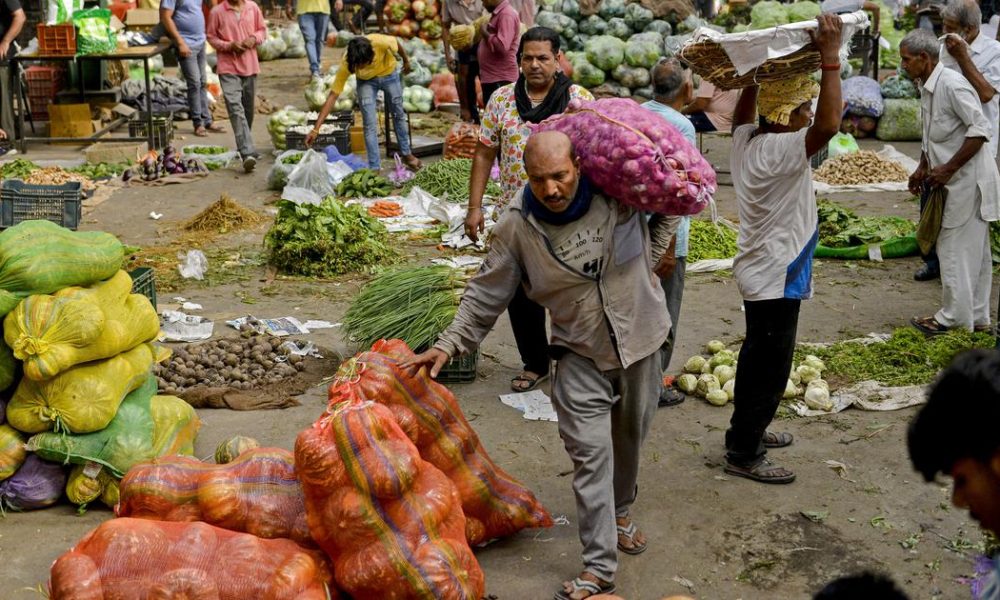
As the base year for the wholesale price index is set at 2022-’23, these figures serve as vital indicators for policymakers and economists alike, signaling potential inflationary pressures in the near future. The increase in food article prices, which registered a 5.4% increase in June, could have significant implications for domestic consumers, especially given the current economic climate.
With inflation rates consistently above the comfort zone for policymakers, the government and the Reserve Bank of India (RBI) may need to adopt measures to stabilize prices and support the economy. The challenge will be to balance growth with inflation control, as the rising costs could hinder consumer spending and impact overall economic recovery.
Source: scroll.in







No Comment! Be the first one.