

Supreme Court Allows Muslim Prayers Near Bhojshala Amid Ongoing Dispute
In a significant ruling on Tuesday, the Supreme Court of India declined to restore the previous practice of Friday prayers at the Bhojshala-Kamal Maula mosque complex in Madhya Pradesh. This decision...

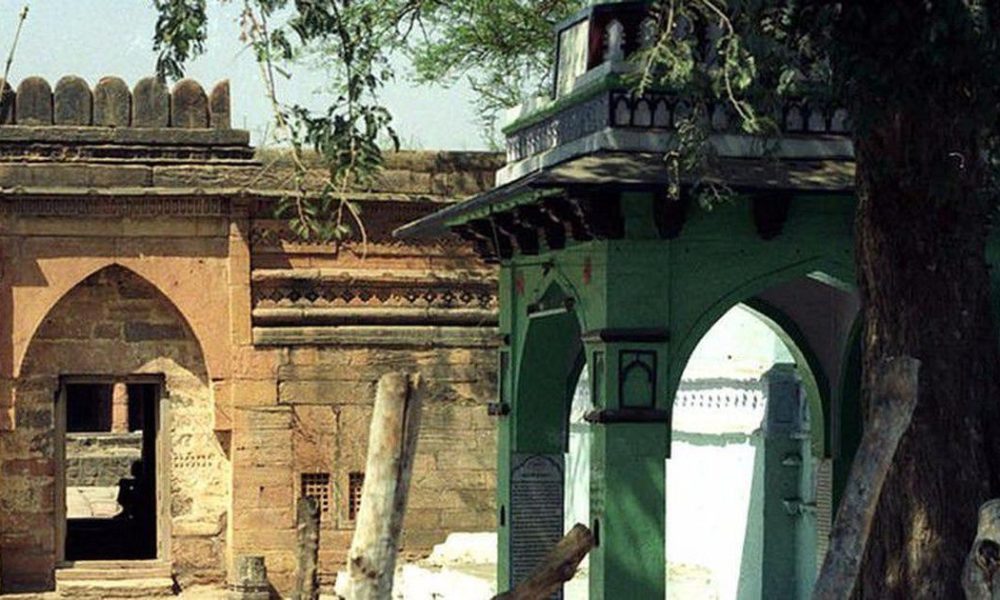
In a significant ruling on Tuesday, the Supreme Court of India declined to restore the previous practice of Friday prayers at the Bhojshala-Kamal Maula mosque complex in Madhya Pradesh. This decision comes in the wake of a controversial judgement by the Madhya Pradesh High Court, which classified the site as a Hindu temple dedicated to the deity Saraswati, effectively altering the religious practices that had been permitted within the complex.
The Supreme Court’s bench, led by Chief Justice Surya Kant alongside Justices Joymalya Bagchi and V Mohana, issued notices in response to petitions from various Muslim organizations challenging the High Court’s ruling. The High Court had nullified a 2003 directive from the Archaeological Survey of India that allowed Hindus to perform prayers on Tuesdays while permitting Muslims to hold Friday prayers within the same premises.
During the proceedings, the Supreme Court emphasized the need to avoid any actions that could exacerbate tensions between the conflicting communities. Consequently, the court ordered the Madhya Pradesh government to designate an open area adjacent to the contested site for Muslims to conduct their Friday prayers, specifically between 1 PM and 3 PM. This provision is intended to be temporary and will be subject to the court’s final decision regarding the matter.
The ruling has sparked varied reactions from both communities. While some recognize the Supreme Court’s attempt to maintain peace, others see it as a limitation on their religious freedom. The Bhojshala-Kamal Maula mosque complex has a long-standing history of contention, with both Hindus and Muslims asserting their religious claims over the site. The High Court’s previous ruling had allowed the Muslim community to seek alternative land within Dhar district for a new mosque, but the implications of such a move remain contentious and complicated.
As the legal battle continues, the Supreme Court’s latest decision underscores the delicate balance the judiciary seeks to maintain in a nation marked by diverse religious identities. The court’s approach aims to alleviate community tensions while navigating the complex landscape of historical and cultural claims. The outcome of this case will likely have lasting implications not only for the residents of Dhar but for the broader discourse surrounding religious sites and their significance in India’s multicultural society.
Source: scroll.in







No Comment! Be the first one.