

New Book Explores the Resilience of Adivasi Cultures in India’s Socio-Political Landscape
Adivasi communities, integral to India’s socio-political fabric, have long navigated a complex landscape shaped by cultural traditions and external pressures. A new book delves into this...

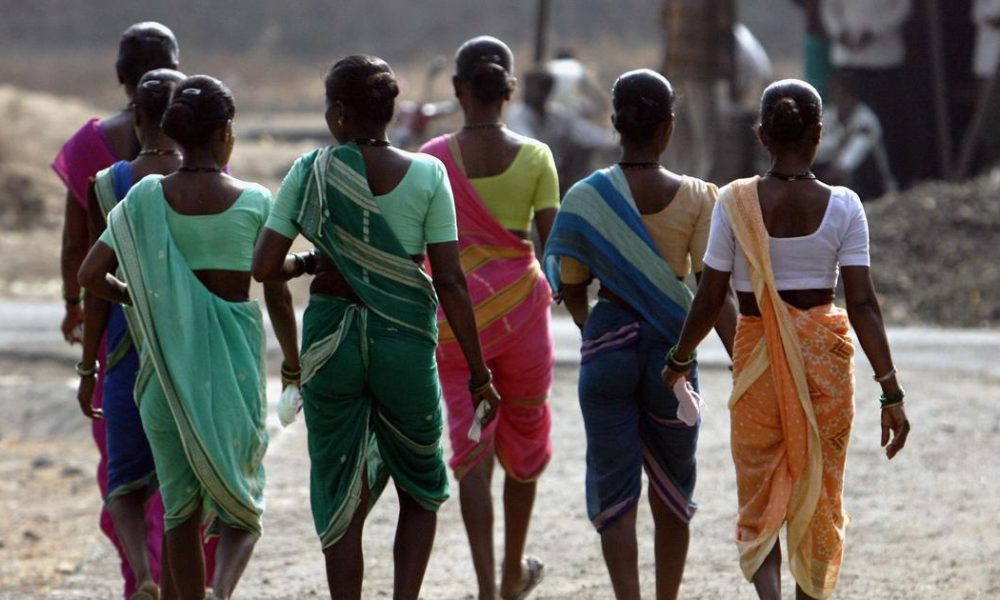
Adivasi communities, integral to India’s socio-political fabric, have long navigated a complex landscape shaped by cultural traditions and external pressures. A new book delves into this intricate relationship, shedding light on how these groups, despite facing oppression, have managed to maintain their distinct identities and cultural practices over centuries.
The Adivasi population, which includes significant groups such as the Bhils, Gonds, Santhals, Mundas, and Uraons, constitutes over 80% of India’s tribal demographic. Their age-old cultural practices reflect a rich heritage that has persisted even in the face of modernization and assimilation into dominant cultures, particularly Hinduism. This contrasts sharply with the well-documented struggles of Dalit communities, which have garnered considerable attention from social scientists and the media.
Historically, prominent scholars like GS Ghurye have characterized Adivasi culture as a primitive precursor to Hinduism, suggesting that these communities would inevitably assimilate into mainstream Hindu culture. This perspective posits that Adivasi identities are transient and destined to disappear as they engage with dominant societal norms. Such views, however, have faced substantial criticism from contemporary scholars who argue that Adivasi cultures have coexisted with the empires and kingdoms of the plains, often preserving their uniqueness in remote and forested regions.
The newer scholarship highlights that Adivasi communities are not just passive recipients of cultural change but are active participants in preserving their traditions. Many Adivasi groups today are consciously asserting their identities, resisting external pressures to conform. The book emphasizes their ongoing efforts to sustain their cultural heritage, which is frequently overshadowed in mainstream narratives that focus more on urban struggles and political movements.
This exploration of Adivasi life offers valuable insights into the resilience of these communities, showcasing their role not only as subjects of study but as significant contributors to the diverse tapestry of Indian culture. As the discourse surrounding Adivasi issues continues to evolve, it is crucial to recognize their historical and contemporary significance in shaping India’s socio-political narrative.
Source: scroll.in







No Comment! Be the first one.