

Mumbai’s Urban Planning: Prioritizing Cars Over Public Transport
Mumbai, often dubbed as a city of commuters, is embarking on a controversial project that prioritizes cars over the vast public transport system that serves millions. The Mumbai Metropolitan Region...

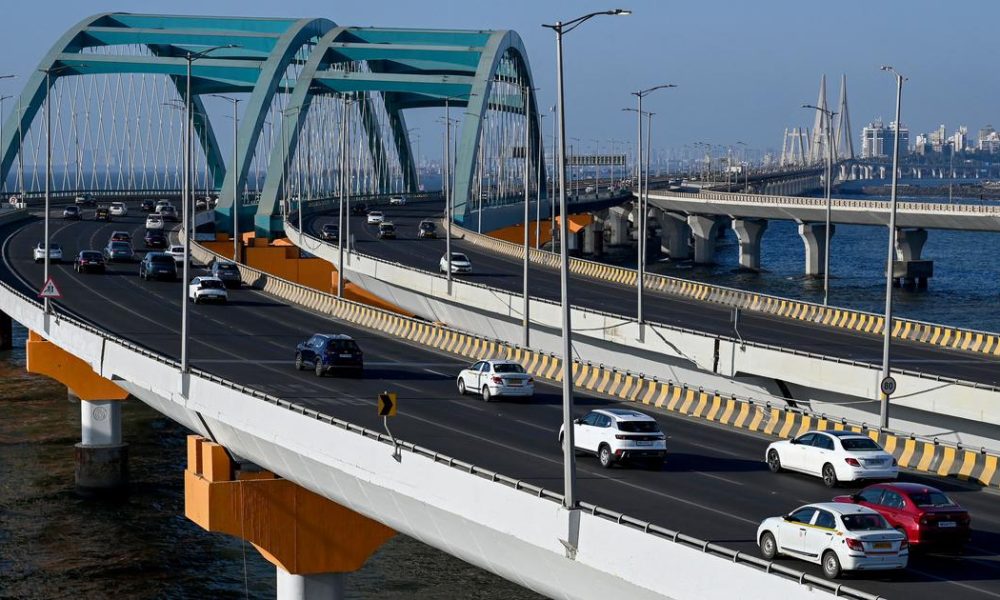
Mumbai, often dubbed as a city of commuters, is embarking on a controversial project that prioritizes cars over the vast public transport system that serves millions. The Mumbai Metropolitan Region Development Authority (MMRDA) is set to reclaim approximately 2,200 square metres of the Arabian Sea near Girgaum Chowpatty to facilitate the expansion of a key roadway. This initiative aims to widen the road from eight lanes to 13, a move designed to streamline traffic exiting from the Orange Gate tunnel, which connects the Eastern Freeway to the Coastal Road.
The Maharashtra Coastal Zone Management Authority has already granted approval for this lane reconfiguration, with the final nod awaited from the Union Ministry of Environment. However, this development raises important questions about urban planning priorities in a city where less than ten percent of trips are undertaken by car.
Statistics reveal a stark contrast in commuting habits within the city. Mumbai’s suburban railway system alone serves around 8 million passengers daily, according to projections for the fiscal year 2025-26. Additionally, the metro network adds to this figure with approximately 900,000 daily riders. The BEST bus services, despite facing challenges, still manage to transport close to 3 million passengers each day. Meanwhile, the number of people commuting via taxis and autorickshaws is vast, yet exact figures remain elusive.
In total, around 1.5 million individuals opt for cars as their mode of transport each day, which is a mere fraction when compared to the nearly 12 million people using public transportation methods. This disparity highlights an alarming trend: while public transport effectively caters to the majority of commuters, planning and resources continue to be disproportionately allocated towards enhancing car traffic.
As Mumbai’s population stands at an estimated 12 million, the focus on car-centric infrastructure raises concerns among urban planners and environmentalists alike. Critics argue that this trend undermines the efficiency of the city’s extensive public transport network, which remains a lifeline for most residents. They advocate for a more integrated approach that encourages public transportation use while minimizing the environmental impact of car-centric policies.
In conclusion, while the proposed roadway expansion may offer temporary relief to car users, it poses significant challenges for sustainable urban development. The city must rethink its approach to transportation, ensuring that investment prioritizes the needs of the majority rather than just a privileged few.
Source: scroll.in







No Comment! Be the first one.