

From Untouchable to Global Delight: The Evolution of Madras Curry
In the 18th century, the bustling colonial kitchens of Madras became an unexpected crossroads for distinct social classes, radically influenced by the forces of imperialism. As European officials of...

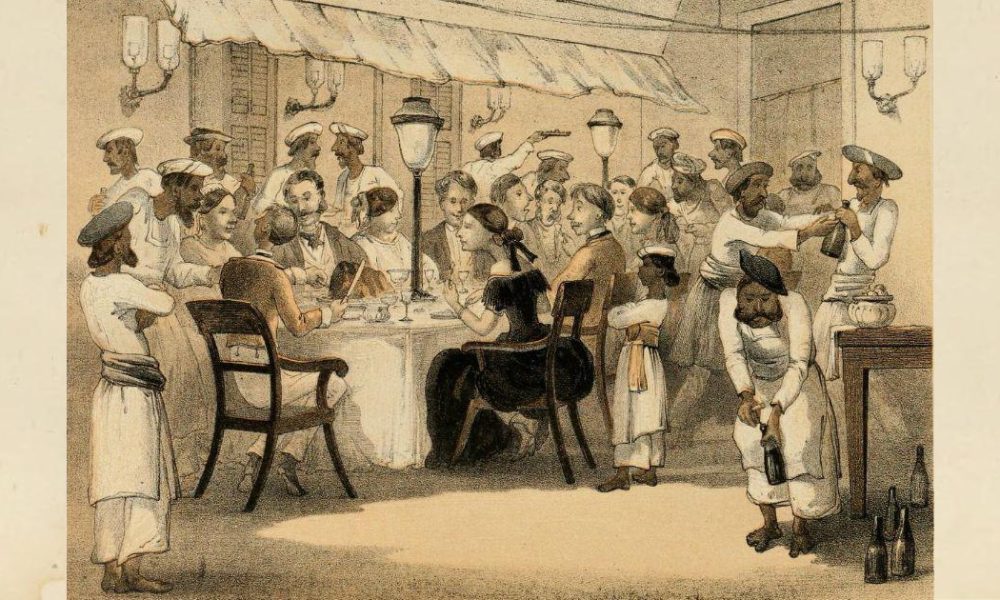
In the 18th century, the bustling colonial kitchens of Madras became an unexpected crossroads for distinct social classes, radically influenced by the forces of imperialism. As European officials of the East India Company arrived in India, they brought with them a complex mix of culture, cuisine, and customs, some of which clashed with the local realities, particularly the caste system prevalent in Indian society.
Interestingly, among the European settlers were individuals categorized as ‘beef-eating’ untouchables, who shared a closer connection with the local lower-caste workers than their elite counterparts. This intersection of cultures laid the groundwork for the creation of what we now recognize as Madras curry. Initially, the Europeans relied on imported tinned foods, but their impracticality soon led to a culinary evolution that merged European and native tastes.
The emergence of Madras curry is a testament to this intricate cultural exchange, blending distinct ingredients and cooking techniques. Colonial recipe books from that era list a myriad of spices, including turmeric, coriander, cumin, and black pepper, alongside local staples like coconut and curry leaves. As the colonial women—often referred to as ‘memsahibs’—experimented in their kitchens, they were encouraged to incorporate meats of their choice into the curry, which eventually led to the popularization of curry powders and pastes.
This dish not only tells a story of culinary innovation but also reflects a broader narrative about the entwined histories of colonialism and caste in India. With the opening of the Suez Canal in 1869, the culinary exchanges grew more profound, allowing for even greater fusion between European and Indian cuisines. The adaptation of Madras curry, once a product of necessity and survival within the colonial framework, transitioned into a symbol of globalization and acceptance.
Today, Madras curry is celebrated around the globe, far removed from its origins that sit at the intersection of social stigmas and colonial rule. This dish, which started as a humble blend of local and foreign influences, has evolved into a staple of international cuisine, demonstrating the power of food to transcend cultural boundaries and foster connections.
Source: scroll.in







No Comment! Be the first one.