

Assam Government to Terminate Employees Engaging in Polygamy, Asserts Chief Minister
In a significant move aimed at curbing the practice of polygamy, Chief Minister Himanta Biswa Sarma announced on Friday that government employees in Assam who engage in polygamous relationships will...

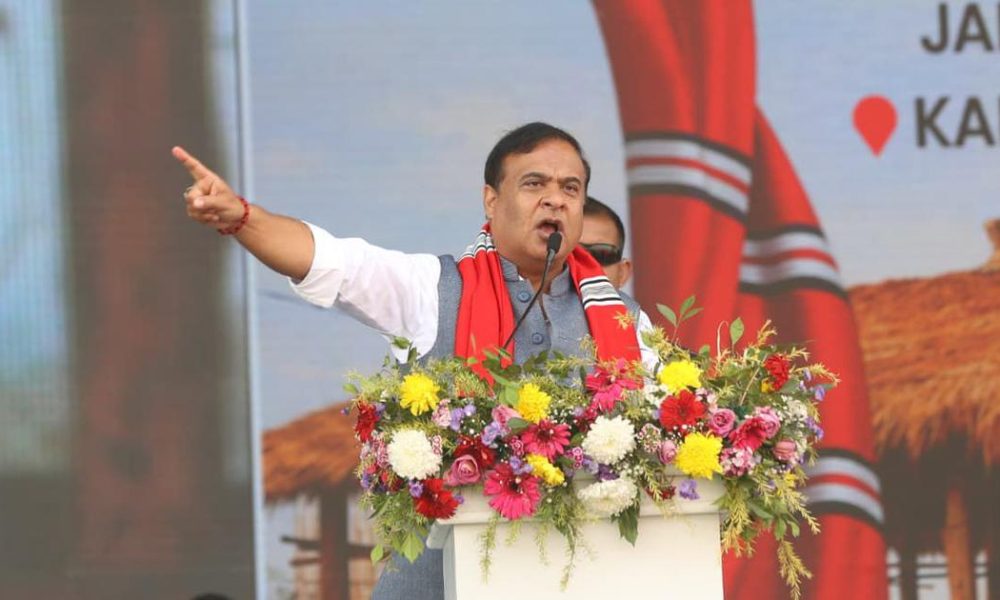
In a significant move aimed at curbing the practice of polygamy, Chief Minister Himanta Biswa Sarma announced on Friday that government employees in Assam who engage in polygamous relationships will face dismissal from their positions. This statement came during a press conference following the presentation of the state budget, emphasizing the government’s stance against polygamous marriages.
As part of this initiative, the Chief Minister also declared that individuals involved in polygamous marriages will be ineligible for any benefits from government welfare schemes. This policy aligns with the recently passed 2025 Assam Prohibition of Polygamy Bill, which aims to impose stringent measures against the practice. The Bill, passed by the state Assembly in November, proposes penalties that include imprisonment for up to seven years for those convicted of polygamy, and even longer sentences for those who conceal prior marriages.
Under the provisions of the Bill, individuals such as parents, religious leaders, or village chiefs who assist in concealing a polygamous marriage or delay reporting it to authorities will also be held accountable as accomplices to the offense. This legislative action, according to the government, is part of a broader effort to standardize marriage laws across the state and address issues related to personal and family law that vary by religion.
However, the move has not been without controversy. Sivasagar MLA Akhil Gogoi raised concerns during the Bill’s passage, arguing that it could infringe upon constitutional rights related to freedom of conscience and the management of religious practices. This debate highlights the complexities surrounding personal laws in India, where marriages and family matters are often governed by community-specific regulations.
Additionally, the Assam Assembly has been active in reforming personal laws, having also passed the Uniform Civil Code Bill on May 27, which seeks to ban polygamy while making the registration of live-in relationships obligatory. The Uniform Civil Code aims to create a unified legal framework governing marriage, divorce, inheritance, and adoption for all citizens, thus replacing the current system that allows varying laws based on religious affiliation. As these legislative changes unfold, they are likely to provoke further discussions about cultural practices, legal rights, and the intersection of religion and state in India.
Source: scroll.in







No Comment! Be the first one.