

Exploring Dara Shukoh’s Unlikely Alliance with Sikhs Amid Mughal Hostility
The historical narrative surrounding Dara Shukoh, the eldest son of Mughal Emperor Shah Jahan, reveals a complex interplay of alliances and enmities during a tumultuous period in Indian history. A...

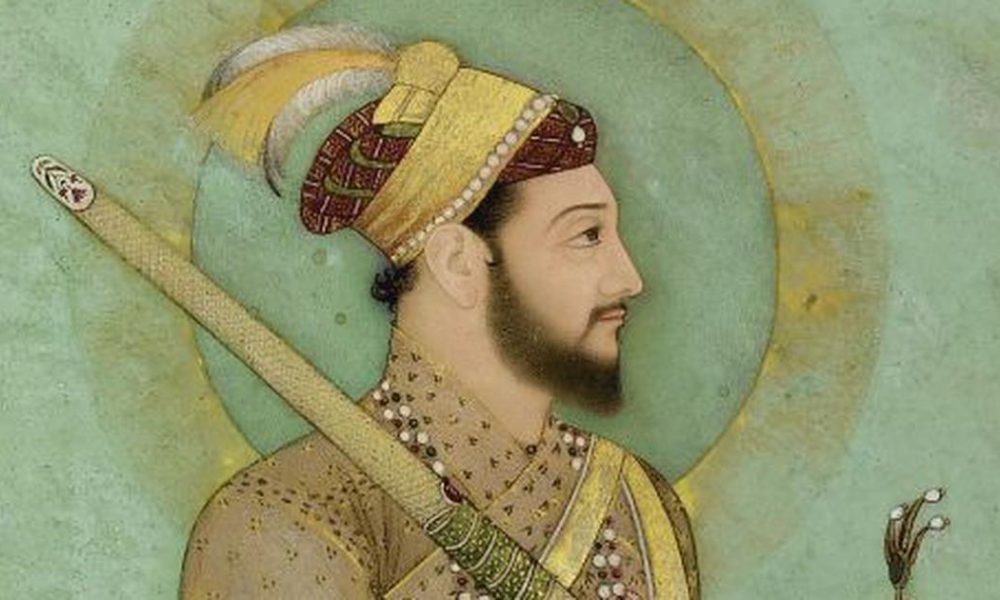
The historical narrative surrounding Dara Shukoh, the eldest son of Mughal Emperor Shah Jahan, reveals a complex interplay of alliances and enmities during a tumultuous period in Indian history. A recent book sheds light on how Dara Shukoh managed to forge a bond with the Sikh community, despite the prevailing animosities fostered by his brother, Aurangzeb, who ascended the throne after Shah Jahan.
Dara Shukoh is often remembered not only for his royal lineage but also for his philosophical inclinations and admiration for diverse religions. Unlike his brother Aurangzeb, who pursued a more orthodox Islamic agenda that often led to violent confrontations with various communities, including Sikhs, Dara adopted a more inclusive approach. His respect for different faiths, particularly Sikhism, allowed him to build a rapport that stood in stark contrast to the hostility exhibited by the Mughal Empire towards Sikhs during this era.
The book provides fascinating insights into how Dara’s intellectual pursuits and poetic inclinations drew him closer to the Sikh gurus and their followers. It is said that Dara often engaged in philosophical discussions with Sikh leaders, appreciating their spiritual depth and the fundamental principles of equality and justice that Sikhism espouses. This connection not only fostered goodwill but also provided a protective buffer for the Sikhs during a time when they faced significant oppression.
As political dynamics shifted, and Aurangzeb’s reign became synonymous with a crackdown on dissent and religious intolerance, Dara’s relationship with the Sikhs became even more crucial. The support he garnered from the Sikh community was instrumental in countering Aurangzeb’s authoritarian policies. This alliance demonstrated the potential for unity amidst diversity, offering a rich historical lesson in tolerance and mutual respect.
Moreover, the book delves into the art of governance during the Mughal era, particularly under Aurangzeb, whose penchant for violence and head-hunting often overshadowed his administrative capabilities. Aurangzeb’s obsession with consolidating power through fear led to numerous beheadings and a turbulent political landscape. In stark contrast, Dara’s vision of governance was rooted in dialogue and understanding, highlighting a fundamental divergence in their approaches to leadership.
In essence, the text serves as a reminder of the importance of fostering relationships beyond rigid religious affiliations. Dara Shukoh’s ability to connect with the Sikhs not only reflects his character but also emphasizes a crucial historical moment where unity could have changed the trajectory of power dynamics in the subcontinent. The legacy of this relationship continues to resonate, inviting contemporary readers to reflect on the values of empathy and inclusivity in today’s socio-political climate.
Source: scroll.in







No Comment! Be the first one.