

How Narratives Shape Our Understanding of Climate Change: Insights from a New Book
It all starts with a simple pair of rain shoes. For those venturing into the colder climates of northern regions, quality footwear is essential. However, for many from tropical nations like India,...

It all starts with a simple pair of rain shoes. For those venturing into the colder climates of northern regions, quality footwear is essential. However, for many from tropical nations like India, such preparation often feels distant and financially unfeasible. A pair of waterproof shoes priced at Rs 15,000, typically produced in South Asian factories, is beyond the budget of most young activists. The reality is stark: braving biting cold in inexpensive sneakers while dreaming of the warmth of a cozy cabin is the plight of many who care deeply about climate issues.
As we navigate the early years of the 21st century, climate change is becoming an unavoidable topic. Back then, discussions on global warming were largely limited to academic circles and international conferences. The average individual, particularly in developing countries, remained largely unaware or skeptical about the looming threat. Climate change wasn’t yet a household term; the narratives around it were often clouded by disbelief and relegated to the fringes of literature, as exemplified by works like Michael Crichton’s controversial novels.
This new book aims to bridge that gap by highlighting the powerful role that storytelling plays in shaping public understanding of climate crises. By weaving together personal experiences and broader environmental themes, it encourages readers to engage with the climate discourse in a more intimate and relatable manner. The stories not only serve as cautionary tales but also empower individuals to confront the stark realities of climate change that are already affecting countless communities worldwide.
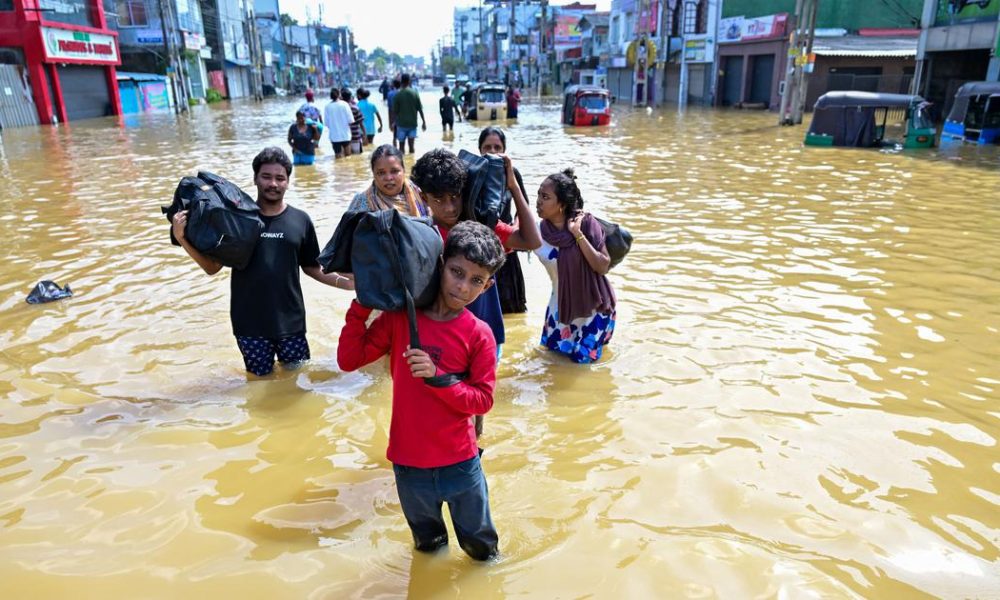
India, with its diverse landscapes and populations, stands at the frontline of climate impacts. From the floods in Kerala to the droughts in Rajasthan, the effects are palpable. The importance of narratives becomes critical as these stories not only inform but inspire action. They encourage a collective response from individuals, communities, and policymakers alike, highlighting the urgency to address these environmental challenges head-on.
As more people become aware of their role in the climate crisis, the need for authentic storytelling grows. It is through these narratives that we can foster a deeper understanding of the complexities of climate change and inspire a sense of responsibility that transcends borders. By embracing the power of stories, we can better prepare ourselves for the unpredictable future that lies ahead.
Source: scroll.in







No Comment! Be the first one.