

New India Foundation Awards 2026 Translation Fellowships to Four Talented Translators
The New India Foundation has revealed the names of the esteemed recipients for its 2026 Translation Fellowships, a prestigious initiative aimed at promoting the translation of significant nonfiction...

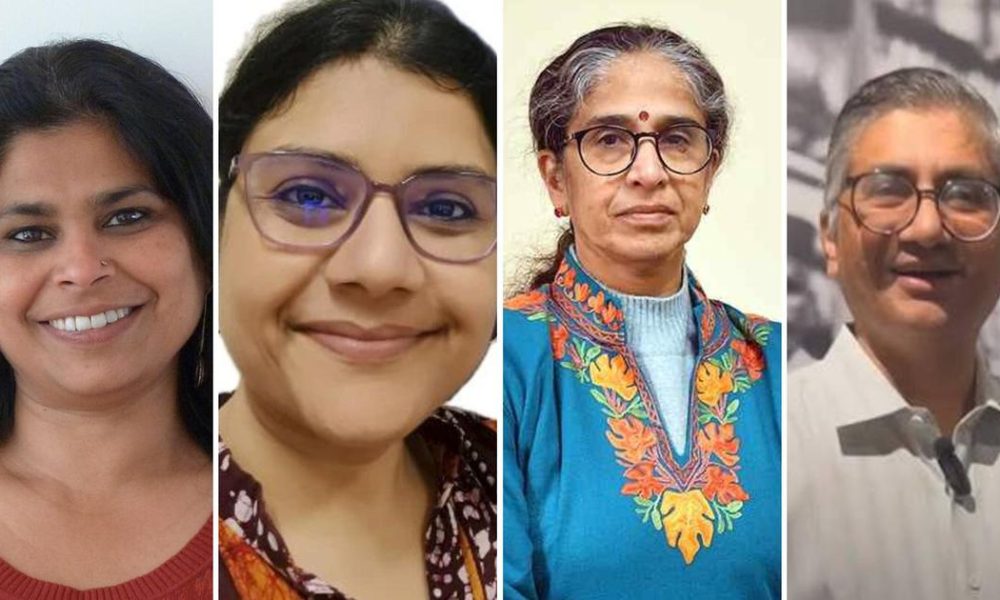
The New India Foundation has revealed the names of the esteemed recipients for its 2026 Translation Fellowships, a prestigious initiative aimed at promoting the translation of significant nonfiction literature in Indian languages. This year, the fellowship has been awarded to four distinguished translators: Jayasree Kalathil, Mini Chandran, Murali Ranganathan, and Shefali Jha. Representing Malayalam, Hindi, and Urdu, respectively, these translators will each receive a grant of Rs 6 lakhs for a period of six months to support their translation projects.
The Translation Fellowships are designed to bridge linguistic divides by translating important works originally written in ten Indian languages, including Assamese, Bangla, Gujarati, Hindi, Kannada, Marathi, Malayalam, Odia, Tamil, and Urdu. The selected projects this year reflect a rich tapestry of Indian history and culture, highlighting the significance of indigenous narratives.
One of the standout projects is by Jayasree Kalathil, who will be translating Adimamakka (Children of the Enslaved), an autobiography penned by CK Janu, a prominent Adivasi land rights activist. This work sheds light on the often-overlooked history of the Adivasi struggle for land rights in Kerala. Janu’s narrative brings to the forefront the political battles faced by the indigenous communities, which have been largely absent from the narratives of Kerala’s development.
Mini Chandran, another talented fellow, is set to translate Olivile Ormakal, the memoir of noted Malayalam playwright Thoppil Bhasi, known for his iconic play Ningalenne Communistakki (You Made Me a Communist). This memoir captures a transformative period in Bhasi’s life from 1948 to 1953, providing insight into his experiences and the socio-political climate of that era. It stands as one of the most revered autobiographies in Malayalam literature.
Murali Ranganathan will be translating Tibet Mein Savva Varsh, an influential work by Rahul Sankrityayan, which documents the author’s journey in search of the Buddha from December 1928 to June 1930. First published in 1934, this book not only chronicles his explorations but also offers a profound perspective on Buddhist philosophy and its historical context in India. Ranganathan’s translation will make this classic accessible to a broader audience.
These fellowships not only provide financial support but also highlight the importance of translation in preserving and disseminating diverse cultural narratives. As India continues to evolve, the role of language and literature becomes increasingly vital in fostering understanding and appreciation of its rich heritage.
Source: scroll.in






No Comment! Be the first one.