

Karnataka’s Voter Roll Revision Under Scrutiny: Allegations of Irregularities Surface
In a fresh controversy surrounding the electoral process in Karnataka, opposition leaders from the Bharatiya Janata Party (BJP) and Janata Dal (Secular) (JD(S)) have raised alarms over alleged...

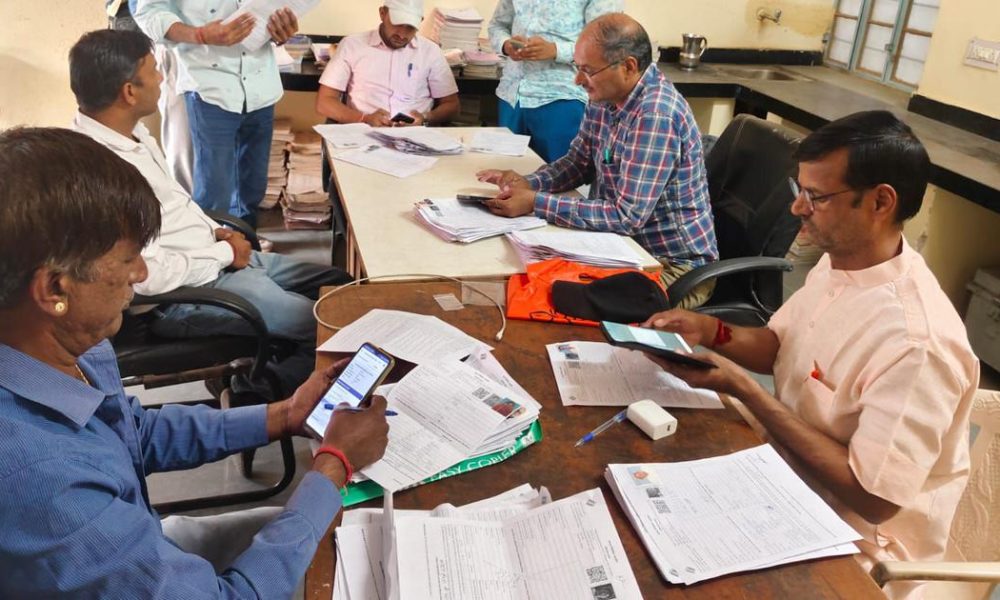
In a fresh controversy surrounding the electoral process in Karnataka, opposition leaders from the Bharatiya Janata Party (BJP) and Janata Dal (Secular) (JD(S)) have raised alarms over alleged irregularities in the revision of voter rolls. The complaints have been directed towards the Election Commission, which is currently implementing a special intensive revision (SIR) of the electoral rolls that began on June 30 as part of its third phase.
The revision exercise, aimed at ensuring accurate voter data through a door-to-door enumeration process, has come under fire as opposition leaders assert that officials are not adhering to established protocols. R Ashok, the leader of the Opposition in the Karnataka Assembly, brought forth these concerns, claiming that the integrity of the electoral process is being compromised.
According to the letter submitted to the Election Commission, BJP and JD(S) leaders allege that there is a lack of respect for the approved procedures, which they argue is undermining the very essence of democracy. They specifically pointed out that booth-level officers, who are responsible for the voter roll revisions, are being deployed in minority areas based on their religious affiliations. This practice, they contend, raises questions about the impartiality of the process.
The opposition has criticized the method being employed during the revision, noting that forms for voter enumeration are being filled out in community halls and mosques, rather than through the intended door-to-door approach. The letter further claims that WhatsApp groups have been created to encourage individuals to gather in these locations for the voter roll revision, which they argue is not only inappropriate but also detrimental to the democratic process.
This situation highlights a broader concern regarding the management of electoral processes in Karnataka, particularly in the run-up to upcoming elections. As the political landscape in the state becomes increasingly polarized, the allegations of bias and procedural misconduct may have significant implications for public trust in electoral bodies. The Election Commission’s response to these allegations will be crucial in determining the future of the voter roll revision process in Karnataka.
Source: scroll.in







No Comment! Be the first one.