

Controversy Erupts as Zee5 Removes Film on Punjab’s Troubled Past
In a dramatic turn of events, the film Satluj, which portrays the harrowing realities of extra-judicial killings and enforced disappearances committed by the Punjab police in the 1990s, was pulled...

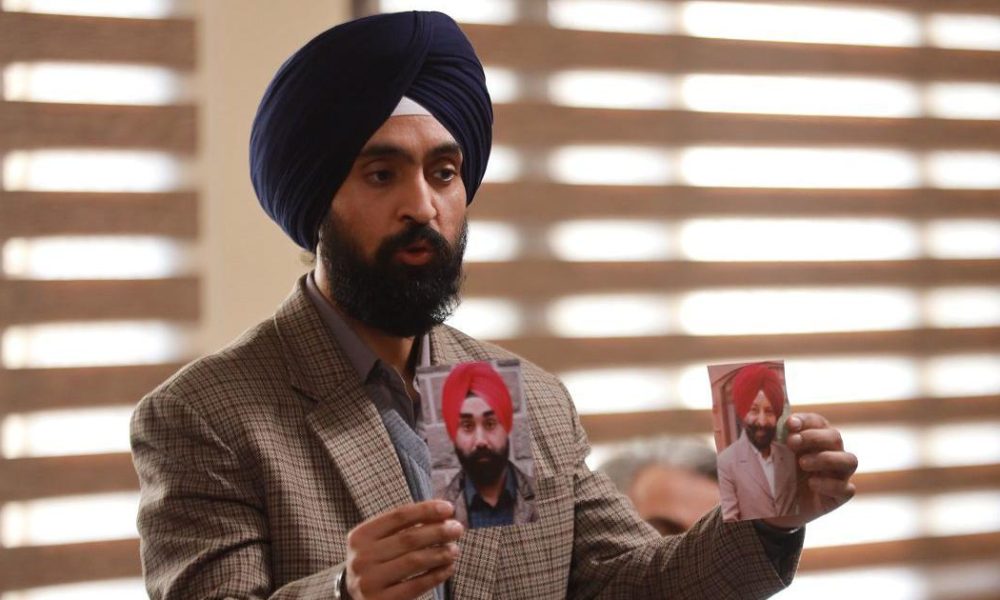
In a dramatic turn of events, the film Satluj, which portrays the harrowing realities of extra-judicial killings and enforced disappearances committed by the Punjab police in the 1990s, was pulled from the Zee5 streaming platform just two days after its release. Initially launched on Friday, the film faced removal by Sunday evening, prompting a wave of criticism from political figures and activists who view this action as an attempt to suppress a significant chapter in Punjab’s history.
Originally titled Punjab ’95 and featuring the prominent Punjabi actor Diljit Dosanjh, Satluj has sparked considerable interest for its bold narrative addressing the grim events that unfolded during a tumultuous period in the state. In a message shared on social media, Zee5 announced that the film would be “unavailable in India until further notice” but did not clarify the reasons behind its abrupt withdrawal. This lack of transparency has fueled speculation and concern regarding censorship in the arts.
Political leaders, particularly from the Shiromani Akali Dal (SAD), have voiced strong objections to the film’s removal. Sukhbir Singh Badal, the party’s president, took to social media to express his disappointment, stating that Satluj is a powerful work that “courageously unveils Punjab’s painful history” and should not be silenced. He characterized the film’s removal as not merely an act of censorship but as an attack on collective memory and freedom of expression. Badal emphasized that the people of Punjab deserve to confront their past honestly rather than through suppression.
The controversy surrounding the film highlights broader concerns regarding artistic freedom and the portrayal of historical events in India. Many believe that the film sheds light on critical issues that are often overlooked or deliberately ignored in mainstream discourse. The ability of filmmakers to explore such sensitive subjects is crucial not only for the healing process within communities but also for fostering a more informed society.
As the dialogue continues, the fate of Satluj remains uncertain, and it raises pertinent questions about the future of artistic expression in India. Will the film find a new platform that respects its message, or will it remain shrouded in the shadows of censorship? The ongoing debate serves as a reminder of the delicate balance between freedom of speech and the complexities of presenting uncomfortable truths.
Source: scroll.in





No Comment! Be the first one.