

Reexamining Aurangzeb Alamgir: A Nuanced Perspective on the Mughal Emperor
Aurangzeb Alamgir, the sixth Mughal emperor, continues to be one of South Asia’s most polarizing historical figures. His reign, which spanned nearly five decades from 1658 until his death in...

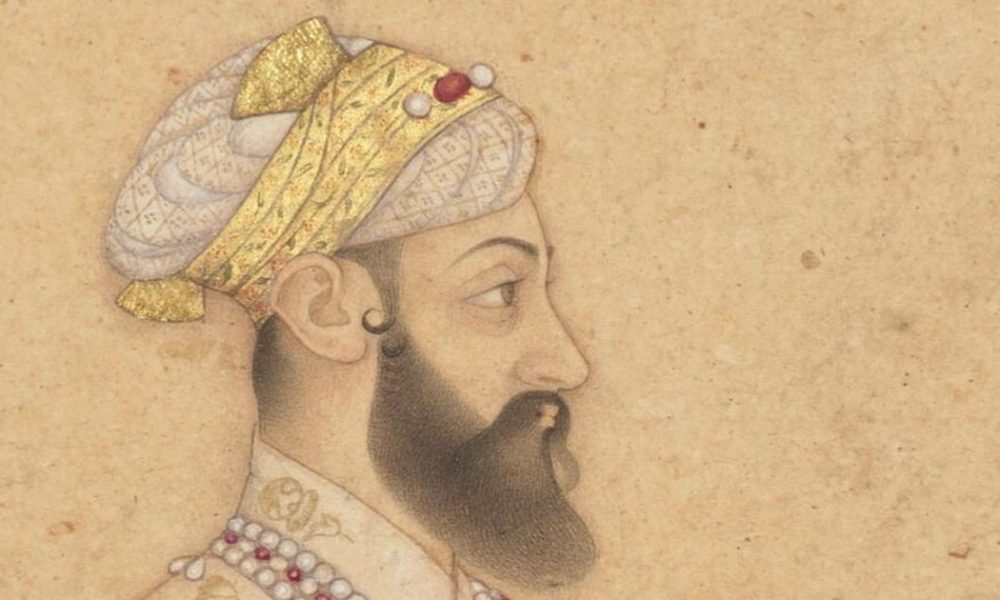
Aurangzeb Alamgir, the sixth Mughal emperor, continues to be one of South Asia’s most polarizing historical figures. His reign, which spanned nearly five decades from 1658 until his death in 1707, has ignited passionate debates and controversies that remain relevant today. In contemporary India, Aurangzeb’s legacy features prominently in political discourse, with frequent instances of road renaming, city rebranding, and fierce academic disputes regarding his significance. A recent incident in Nagpur, where clashes erupted over calls to demolish his grave, exemplifies the intense emotions surrounding his historical narrative.
In this context, historian Munis D. Faruqui presents a timely and well-researched examination of Aurangzeb in his book, ‘Aurangzeb Alamgir and the Mughal Empire: A History Retold.’ Faruqui aims to extricate the emperor from both excessive glorification and harsh condemnation, offering a more nuanced understanding of his character and governance. The book invites readers to engage with archival sources, challenging the simplistic dichotomies that characterize much of the current discourse surrounding Aurangzeb.
Many modern interpretations of Aurangzeb’s reign are steeped in controversy. Critics often label him as a religious fanatic who dismantled the progressive policies of his predecessor, Akbar. Conversely, supporters argue that he was a dedicated Islamic ruler unfairly tarnished by history. The stark contrast in these viewpoints often arises from the same set of historical records, yet they lead to vastly different conclusions. Faruqui’s work seeks to bridge this divide by emphasizing critical analysis of both primary and secondary sources, ultimately allowing for a more informed assessment of Aurangzeb’s actions and motivations.
Aurangzeb’s governance style was complex, marked by both military prowess and administrative strategies aimed at consolidating power across a diverse empire. Understanding how he navigated the multifaceted societal and political landscapes of his time is crucial for a balanced appraisal of his legacy. Faruqui’s exploration of the archives reveals insights into how Aurangzeb perceived his role as a ruler and how he endeavored to maintain stability in a realm that was often at odds with itself.
As the debate over Aurangzeb Alamgir continues, works like Faruqui’s provide a refreshing perspective that encourages a deeper understanding of this significant historical figure. By examining the historical records and addressing the complexity of Aurangzeb’s reign, we can begin to move beyond polarized views and appreciate the intricacies of India’s rich past.
Source: scroll.in







No Comment! Be the first one.