

Indus Waters Treaty on Hold Until Pakistan Halts Support for Terrorism: Indian Government
The Indian government has announced that the Indus Waters Treaty will remain suspended until Pakistan ‘irrevocably’ ceases its backing of cross-border terrorism. This position was...

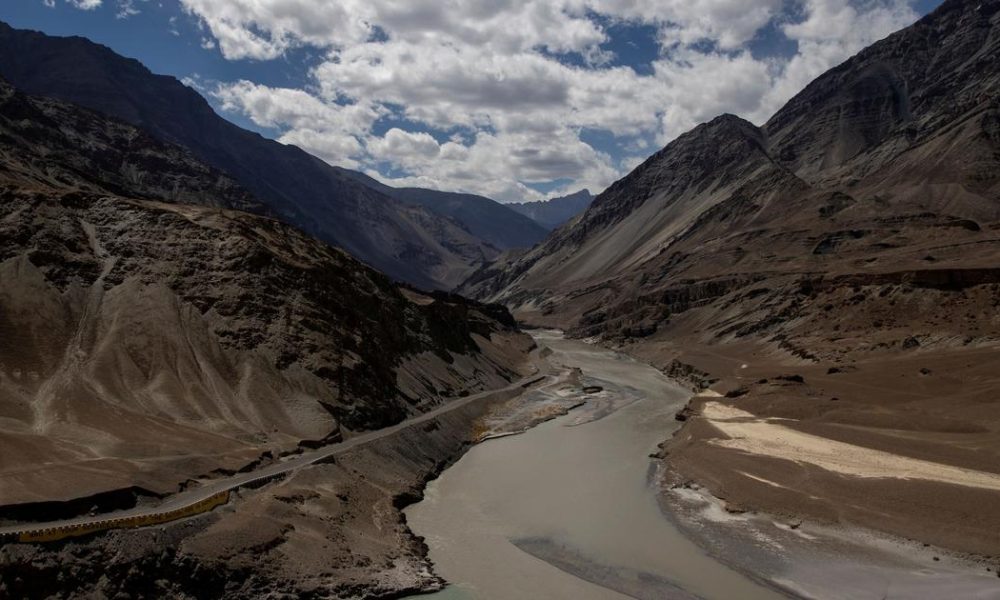
The Indian government has announced that the Indus Waters Treaty will remain suspended until Pakistan ‘irrevocably’ ceases its backing of cross-border terrorism. This position was reiterated by the spokesperson for the Ministry of External Affairs, Randhir Jaiswal, during a press briefing on Friday. The clarity in New Delhi’s stance comes as a response to inquiries about a conference held by Pakistan regarding the treaty.
The treaty, which was established in 1960 with the World Bank serving as an additional signatory, was designed to allocate the waters of the Indus River and its tributaries between India and Pakistan. Under its provisions, India has rights to the waters of the eastern rivers—Beas, Ravi, and Sutlej—while the western rivers—Chenab, Indus, and Jhelum—are allocated to Pakistan. Additionally, the treaty allows both nations to utilize each other’s rivers for specific projects, including small hydroelectric plants that require minimal water storage.
India had initially suspended the treaty in April 2025 in direct response to a terrorist attack in Pahalgam, Kashmir. This move prompted a sharp reaction from Pakistan, which labeled the suspension as an ‘act of war’ and threatened to retaliate with its full national capabilities. Such tensions underscore the fragile dynamics between the two countries, particularly concerning issues of water security and terrorism.
Experts have pointed out that the suspension of the treaty signifies that India is no longer obligated to adhere to the provisions set forth in the agreement, effectively altering the balance of water negotiations between the two nations. The governmental stance indicates a broader geopolitical strategy of linking water management to national security concerns, particularly in the context of Pakistan’s alleged support for militant activities across the border.
As the situation continues to evolve, the future of the Indus Waters Treaty remains uncertain. The potential for diplomatic engagement is contingent upon significant changes in Pakistan’s approach to cross-border terrorism, highlighting the complex interplay between water resources and security policies in South Asia.
Source: scroll.in







No Comment! Be the first one.