

Exploring Aurangzeb’s Harem: The Significant Role of His Queens in the Mughal Empire
The life and reign of Aurangzeb, the sixth Mughal emperor, have long fascinated historians and scholars, but a new biography sheds light on an often-overlooked aspect of his empire: the significance...

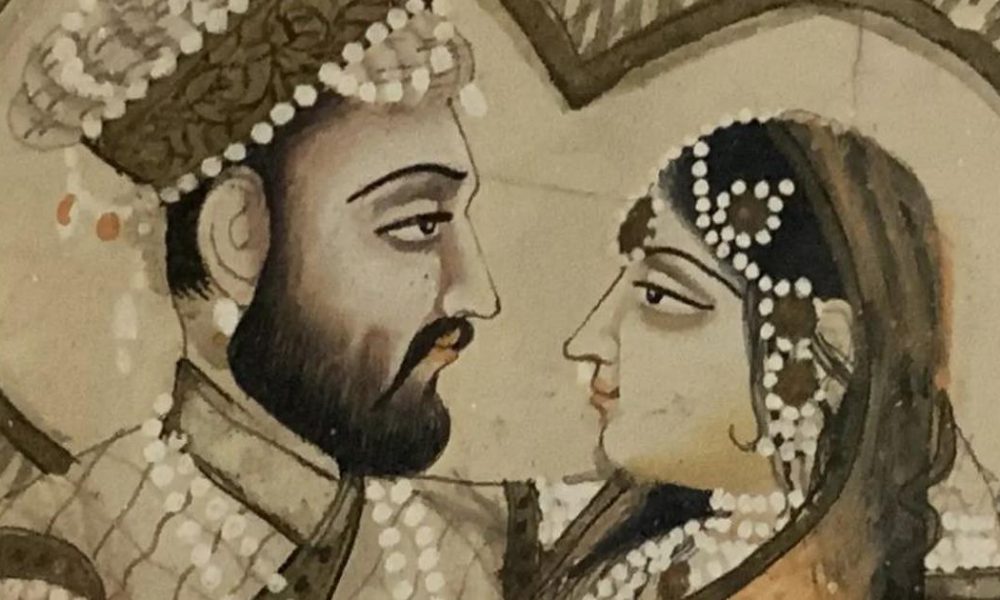
The life and reign of Aurangzeb, the sixth Mughal emperor, have long fascinated historians and scholars, but a new biography sheds light on an often-overlooked aspect of his empire: the significance of his queens and the dynamics of his harem. Aurangzeb’s journey into adulthood began in 1634, marking the inception of his princely harem, yet establishing a complete household took precedence over populating his harem with wives and concubines.
Despite his elevated status and burgeoning wealth, Aurangzeb’s military campaigns in Bundelkhand and subsequent governorship in the Deccan region, a territory still wrestling with stability post-conquest, delayed the expansion of his harem. Notably, there was an unusually lengthy interval of three years between his formal transition into adulthood and his initial marriage in 1637, a gap that underscores the challenges he faced during these formative years.
The marriage to Dilras Banu was pivotal, significantly influencing Aurangzeb’s royal lineage and political alliances. Coming from a lineage connected to Shah Isma‘il I, the founder of the Safavid dynasty in Iran, Dilras was not just any bride; she represented a prestigious heritage that had intertwined with the Mughal dynasty through numerous alliances. Her family’s history included marriages with prominent Mughal figures, such as Emperor Shah Jahan and Aurangzeb’s own relatives, further solidifying the ties between these two influential dynasties.
As Aurangzeb’s reign progressed, the presence and influence of his queens in the harem became increasingly pronounced. The harem was not merely a private space; it functioned as a crucial political instrument, where alliances were forged, power dynamics negotiated, and the lineage of the Mughal emperors ensured. The role of the queens extended beyond domestic spheres; they often acted as advisors and played significant roles in the emperor’s courtly matters, contributing to the governance of the empire.
This biography not only provides a fresh perspective on Aurangzeb’s personal life but also encourages a reconsideration of the harem’s complex role in the socio-political landscape of the Mughal Empire. By examining the stories and influences of Aurangzeb’s queens, readers gain a deeper understanding of how these women helped shape one of the most significant eras in Indian history.
Source: scroll.in







No Comment! Be the first one.