

Scholar’s Personal Experience Highlights Citizenship Challenges in West Bengal
Adil Hossain, a 39-year-old anthropologist and academic, has dedicated years to examining the intricate politics surrounding citizenship in India. His research, however, took a personal turn during...

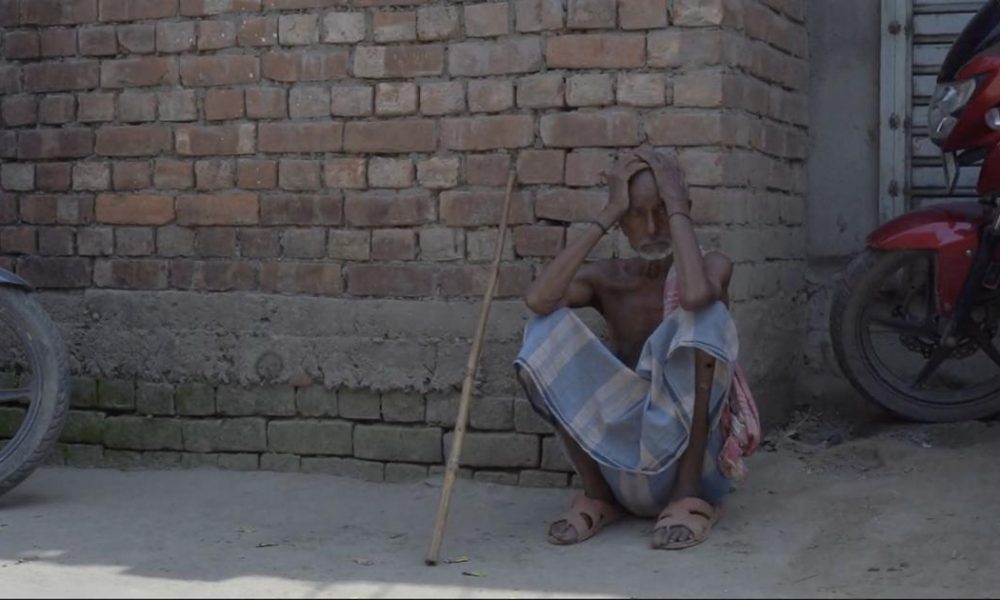
Adil Hossain, a 39-year-old anthropologist and academic, has dedicated years to examining the intricate politics surrounding citizenship in India. His research, however, took a personal turn during the recent intensive revision of electoral rolls in West Bengal, transforming his firsthand experience into a ‘laboratory of citizenship’. Despite holding a valid passport and land ownership documents dating back to the 1950s, Hossain found himself unexpectedly excluded from the voter list of his hometown in Uttar Dinajpur district, just weeks before the crucial Assembly elections.
On April 23, the day of the elections, Hossain was left powerless as his family members, including his parents and sister, headed to the polling booth without him. Reflecting on the situation, Hossain expressed the unsettling realization that the theoretical concepts he had studied were suddenly manifesting in his own life. “It was very unsettling. I felt a sense of alienation,” he remarked, highlighting the stark contrast between his academic knowledge and the lived reality of hierarchical citizenship that prevents individuals like him from fulfilling their democratic rights.
This incident is emblematic of a broader issue in West Bengal, where the special intensive revision of voter rolls led to the removal of over 9.1 million names. This drastic action has drawn comparisons to claims made by the Bharatiya Janata Party (BJP), which alleged the presence of roughly one crore unauthorized voters on the electoral rolls, many of whom were labeled as ‘Bangladeshis’ and ‘Rohingyas’. Such political narratives often exacerbate fears surrounding citizenship and identity, particularly for those belonging to marginalized communities.
Despite the scale of the voter list revisions, the Election Commission has not disclosed specific information regarding the identification of any foreign nationals during this process. This lack of transparency raises concerns among various stakeholders, including Hossain, who argues that the process is not merely administrative but also deeply political, with significant implications for the rights of citizens in West Bengal.
Hossain’s experience serves as a poignant reminder of the complexities surrounding citizenship in India today, particularly in a state grappling with its own identity and the ongoing challenges of electoral integrity. As scholars and activists continue to advocate for transparency and fairness in the electoral process, the case of Hossain underscores the need for a more inclusive approach that recognizes the rights of all citizens.
Source: scroll.in






No Comment! Be the first one.