

Curious Children Are Often Great Learners: Why Questions Matter in a Child’s Development
Curious children are often intelligent learners because they are constantly engaged in asking questions, thinking, observing, and trying to understand the world around them. A child who asks many...

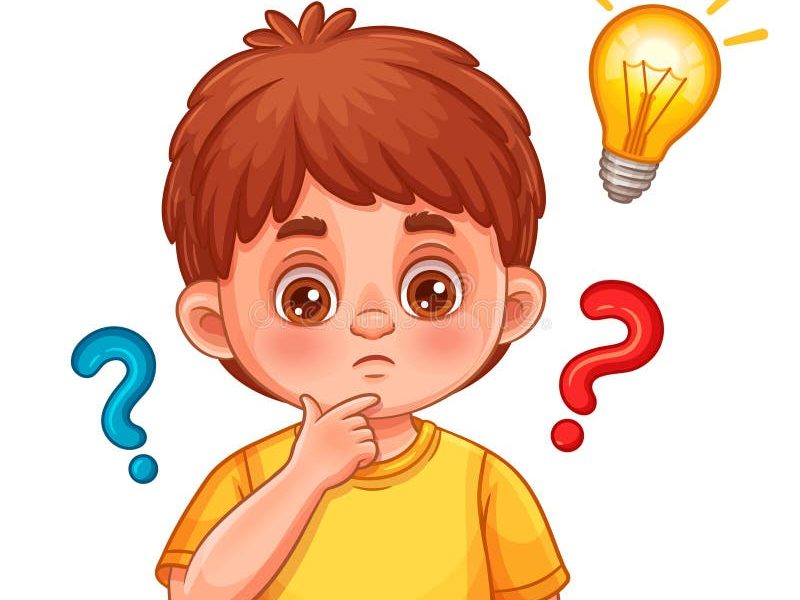
Curious children are often intelligent learners because they are constantly engaged in asking questions, thinking, observing, and trying to understand the world around them. A child who asks many questions is showing signs that their thinking ability is developing. Their curiosity reflects their desire to explore, learn, and make sense of different situations.
Many children may see and observe everything around them, but they may not always ask questions. In such cases, it becomes difficult to understand whether the child has truly understood what they have seen or heard. However, when a child asks questions, it shows that they are actively processing information and trying to gain deeper knowledge about a particular subject.
A child’s questions are not just simple words — they are a reflection of their imagination, creativity, and developing intelligence. Every “why,” “how,” and “what” from a child represents their attempt to connect ideas and discover new things.
Parents and adults often become irritated when children repeatedly ask questions. However, instead of feeling annoyed, we should understand that this curiosity is an important part of their growth. A curious child should be encouraged, guided, and supported because curiosity is the foundation of learning.
Sometimes children may say things that seem inappropriate, strange, or unpleasant according to their age. In such situations, adults should not simply scold them or stop them from speaking. Instead, they should calmly explain why certain words or expressions are not appropriate and teach them better ways to communicate.
For example, if a child says something that they should not say, it does not necessarily mean they have bad intentions. They may simply be exploring, learning, or trying to understand a concept. The responsibility of parents and teachers is to correct them with patience and help them develop better understanding.
A child’s curiosity can be nurtured through conversation, encouragement, and positive guidance. When adults listen carefully to children’s questions and respond with care, children become more confident, thoughtful, and creative.
Therefore, every curious question from a child should be seen as a step toward learning and development. A child who observes, thinks, and asks questions is building the foundation for a stronger mind and a brighter future. Encouraging curiosity today helps create knowledgeable, independent, and innovative individuals tomorrow.







No Comment! Be the first one.