

Iran Threatens to Close Strait of Hormuz Over Ceasefire Violations by US and Israel
In a significant escalation of tensions in the Middle East, Iran’s top military leadership announced on Saturday that it would close the vital Strait of Hormuz to maritime traffic. This...

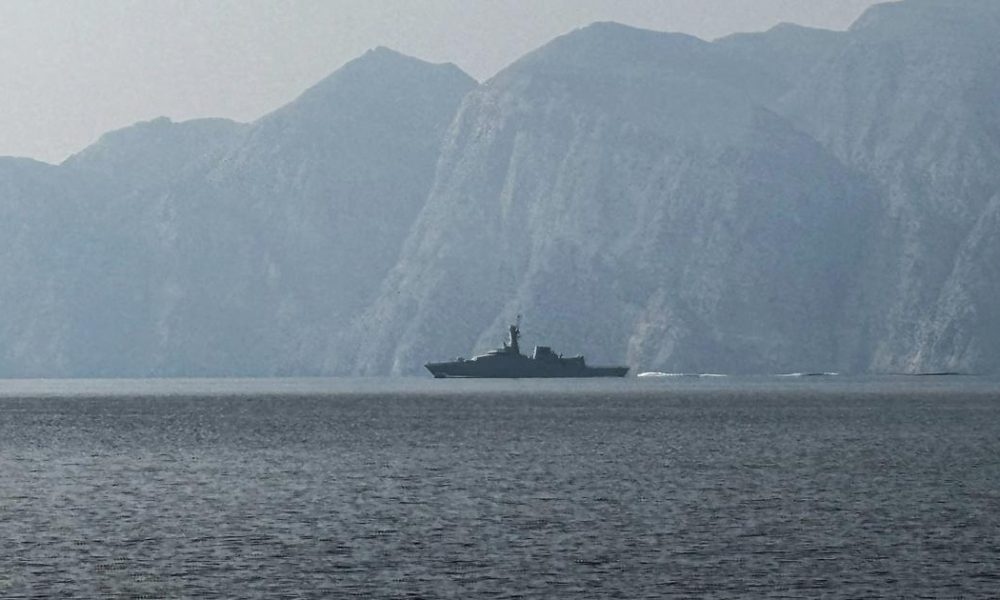
In a significant escalation of tensions in the Middle East, Iran’s top military leadership announced on Saturday that it would close the vital Strait of Hormuz to maritime traffic. This decision comes in response to what Iran claims are breaches of a ceasefire agreement by the United States and Israel. According to the state-run Mehr news agency, the closure marks the initial step in Iran’s strategy to retaliate against what it describes as ongoing aggression from these nations.
The Khatam al-Anbiya Central Headquarters, responsible for coordinating Iran’s military operations, indicated that further actions would follow if the alleged violations continued. The timing of this announcement is particularly critical, as it coincides with Israeli airstrikes in Lebanon that reportedly resulted in the deaths of at least 32 individuals. Such developments could further exacerbate the already volatile situation in the region.
This declaration occurs mere days after US and Iranian officials signed a 14-point memorandum aimed at de-escalating long-standing hostilities. The agreement was intended to address various military actions, including Israel’s aggressive stance against Hezbollah. The prospect of a more stable Middle East appeared to be within reach, yet this latest move by Iran raises questions about the durability of the truce.
Amidst these tensions, US Vice President JD Vance announced his anticipated travel to Switzerland for discussions aimed at solidifying the recent agreement with Iran. Vance noted the delicate nature of diplomatic negotiations, emphasizing the importance of careful coordination. Meanwhile, US representatives Steve Witkoff and Jared Kushner, a key advisor and son-in-law of former President Donald Trump, are also expected to join the discussions in Switzerland, suggesting a serious commitment to finding a resolution.
The Strait of Hormuz is a critical chokepoint for global oil shipments, and any threat to its accessibility raises alarm bells not only for the countries directly involved but also for the international community. The implications of Iran’s actions could have far-reaching consequences for global energy markets and international relations, particularly with India being one of the largest importers of oil from the Middle East. As the situation unfolds, the world watches closely for further developments in this complex geopolitical landscape.
Source: scroll.in







No Comment! Be the first one.