

Exploring Caste Dynamics Among Malabar Muslims: A Deeper Look
When discussing caste in India, most people typically associate it with Hindu traditions, often overlooking its presence in other communities, including Muslims. Despite a widespread belief among...

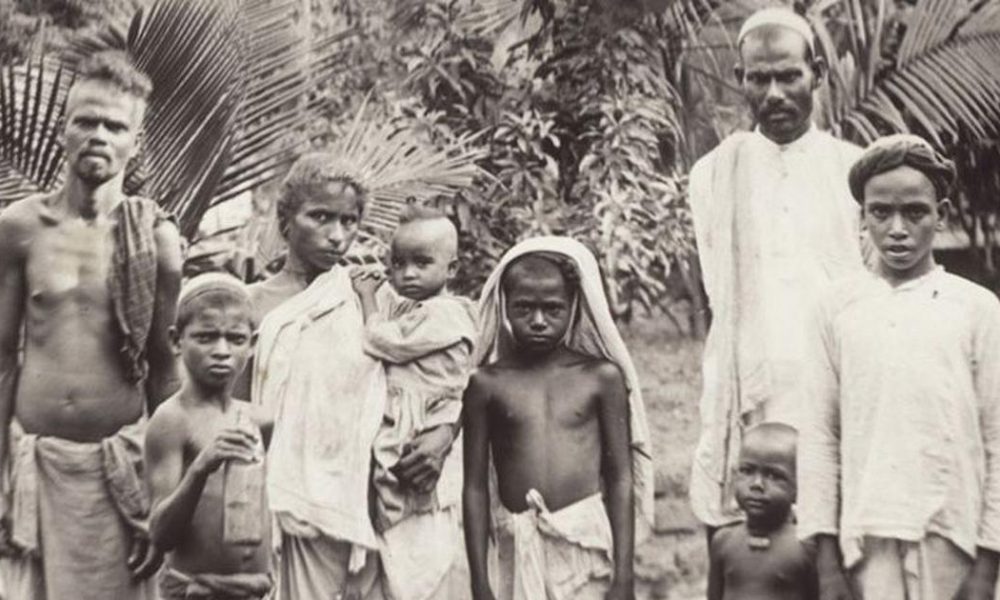
When discussing caste in India, most people typically associate it with Hindu traditions, often overlooking its presence in other communities, including Muslims. Despite a widespread belief among Muslims that caste distinctions are absent in their social structures, a closer examination reveals a different narrative, especially in regions like Malabar in South India.
In his insightful book, Seeking Allah’s Hierarchy: Caste, Labor, and Islam in India, author PC Saidalavi delves into the complexities surrounding caste among Muslims. His journey into this often-ignored topic began under the guidance of his advisor, Arshad Alam, at Jawaharlal Nehru University, who encouraged him to investigate the dynamics of caste within the Muslim communities of Malabar.
While many Muslims invoke the religion’s foundational principles of equality to sidestep the caste issue, Saidalavi argues that this perspective fails to consider the intricate relationship between religion and social stratification. He points out that such assertions often detach Islam from its cultural and societal contexts, thereby limiting the discussion to mere theological debates.
In his research, Saidalavi highlights that even among Muslims who acknowledge the existence of caste-like hierarchies, there’s a tendency to blame these social structures on Hindu influence. This blame game raises critical questions about how cultural interactions shape the social fabric of Muslim communities and whether these hierarchies can truly be separated from broader Indian society.
The implications of caste among Malabar Muslims are profound, affecting everything from social interactions to economic opportunities. As discussions expand around social justice and equality, understanding these internal hierarchies becomes crucial. Saidalavi’s work encourages a more nuanced discourse on caste, urging both scholars and community members to confront the realities of their social structures rather than sidestepping them.
Source: scroll.in






No Comment! Be the first one.