

Tragic Toll: 47 Sanitation Workers Lose Lives in Hazardous Conditions in 2025
The Union government has reported a grim statistic, revealing that 47 sanitation workers lost their lives while cleaning sewers and septic tanks in 2025, amidst dangerous working conditions across...

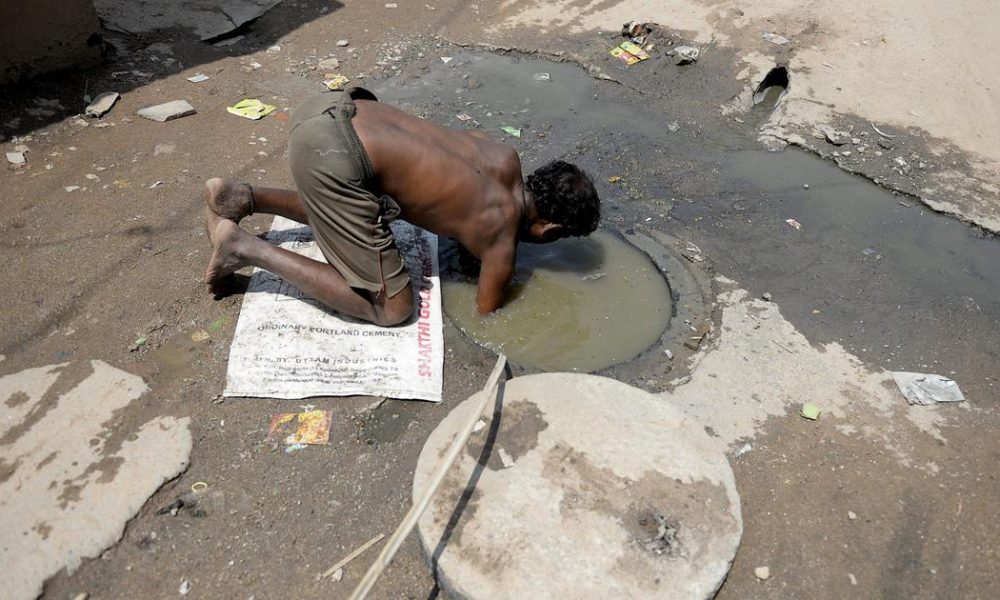
The Union government has reported a grim statistic, revealing that 47 sanitation workers lost their lives while cleaning sewers and septic tanks in 2025, amidst dangerous working conditions across India. This alarming figure was disclosed by the Ministry of Social Justice and Empowerment in response to an inquiry from a Member of Parliament. The states hit hardest by these fatalities include Uttar Pradesh, which recorded the highest number of deaths at 10, followed by Haryana with seven, and Tamil Nadu with six.
Manual scavenging, the controversial practice of manually removing human waste from sewer systems and septic tanks, has been outlawed under the Prohibition of Employment as Manual Scavengers and their Rehabilitation Act of 2013. Despite this legislation, the practice continues to persist in various parts of the country, raising concerns about enforcement and the protection of workers’ rights.
To address these ongoing issues, the government has validated a total of 89,915 sewer and septic tank workers under the National Action for Mechanised Sanitation Ecosystem scheme, which was initiated in July 2023. This program aims to phase out hazardous manual cleaning through mechanization, ultimately working towards the goal of zero deaths among sanitation workers. In a recent statement, the minister underscored that the scheme was evaluated in 2025 and emphasized the provision of critical resources such as safety gear, occupational training, health insurance, and financial support to encourage mechanized sanitation practices.
The government has also urged states and Union Territories to strictly implement the 2013 law, which aims to safeguard the rights and lives of sanitation workers. Despite the existence of these protective laws, the tragic incidents of worker fatalities highlight significant gaps in enforcement and the urgent need for comprehensive strategies to eliminate hazardous working conditions in this sector.
As the nation grapples with the challenge of ensuring the safety and dignity of sanitation workers, it is imperative for both state and central governments to take decisive action. Ensuring the effectiveness of existing laws and the successful implementation of mechanized sanitation initiatives are crucial steps toward preventing further tragedies and protecting those who perform this essential yet perilous work.
Source: scroll.in







No Comment! Be the first one.