

Gujarat’s Historic Jami Masjid Faces Threat as Archaeological Survey Calls for Protection Amid Protest Plans
The Archaeological Survey of India (ASI) has raised alarms regarding a planned gathering at the historic Jami Masjid in Bharuch, Gujarat, set for June 15. The ASI has formally requested the local...

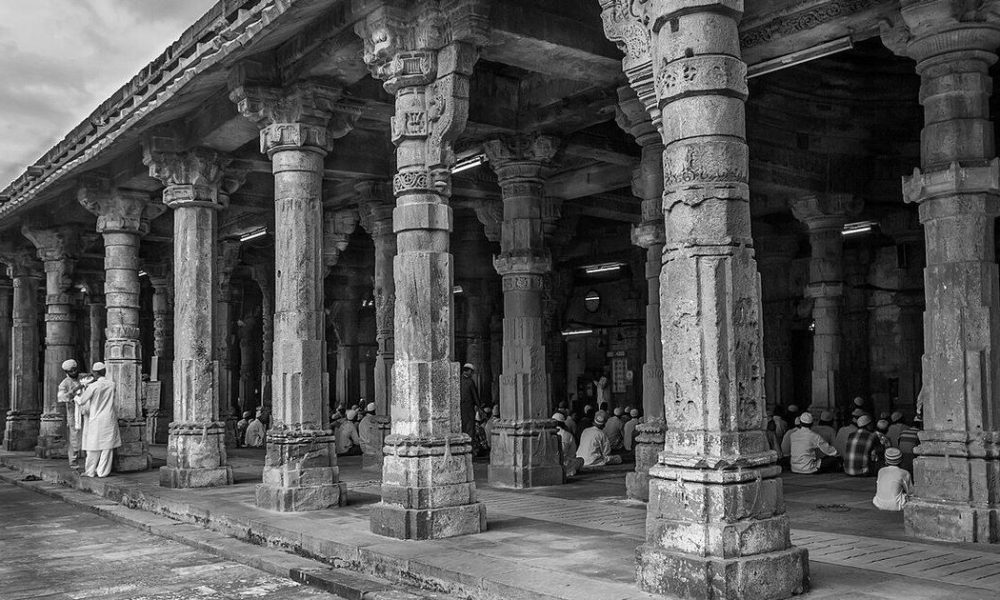
The Archaeological Survey of India (ASI) has raised alarms regarding a planned gathering at the historic Jami Masjid in Bharuch, Gujarat, set for June 15. The ASI has formally requested the local district administration to take precautionary measures to safeguard the monument from potential unrest. This call to action comes in light of social media posts that have circulated, urging people to congregate at this protected site, which is recognized for its architectural and historical significance.
The Jami Masjid, a 14th-century structure located near the prominent Bharuch Fort and Malbari Darwaza, has become the focus of a campaign led by the Hindutva organization, Rashtriya Dharohar Sanrakshan Samiti. According to reports, this group has been actively conducting events in Bharuch since mid-May, aiming to assert claims that the mosque should be recognized as a sacred Jain religious site.
In a letter dated Wednesday, the superintending archaeologist of the Vadodara circle of ASI emphasized the importance of the mosque, noting its designation as a monument of national significance, as acknowledged in a gazette published in May 1909. The archaeologist conveyed concerns over the potential for violence, highlighting that such gatherings could jeopardize communal harmony and risk damaging the historical structure.
The ASI’s apprehensions are rooted in the broader context of religious sensitivities in India, where historical sites often become flashpoints for communal tensions. The Jami Masjid, which has long served as a mosque, represents a rich cultural legacy, making it crucial to preserve its integrity amid rising tensions. The ASI’s intervention seeks to preempt any incidents that could arise from the gathering and to maintain the sanctity of the site.
As the date of the planned protest approaches, the district administration faces pressure to balance public sentiment with the protection of cultural heritage. With social media playing a significant role in mobilizing groups, authorities are tasked with ensuring that the rights of individuals to express their views do not infringe upon the preservation of historical monuments or incite disharmony among communities.
Source: scroll.in






No Comment! Be the first one.