

Eyewitness Account Highlights Japan’s WWII Invasion of North East India
The recent publication of a new book brings to light a first-hand account of the Japan’s invasion of North East India during World War II, shedding light on the significant yet often overlooked...

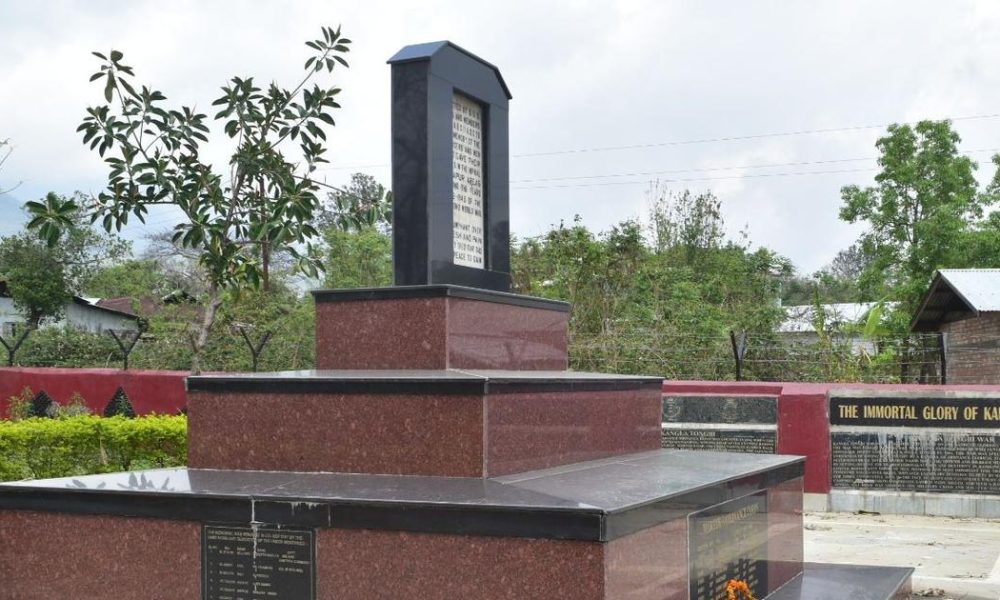
The recent publication of a new book brings to light a first-hand account of the Japan’s invasion of North East India during World War II, shedding light on the significant yet often overlooked battles that shaped the region’s history. One of the pivotal moments detailed within its pages is the fierce battle at Kanglatongbi in 1944, which played a crucial role in safeguarding the strategic Imphal–Kohima road.
In the early hours of April 6-7, 1944, the Japanese 15th Division’s 60th Regiment managed to capture a British supply dump, prompting a swift and intense response from British ordnance personnel. These soldiers fought valiantly, utilizing Bren gun fire to repel the advancing Japanese forces. The 63rd Brigade held the defensive line until the Fifth Indian Division arrived in early May, systematically dismantling Japanese positions through a series of small but determined confrontations.
The culmination of this fierce struggle was reached on June 22 when troops from Kohima and Imphal finally joined forces at Milestone 109, effectively bringing an end to the siege. This valiant stand at Kanglatongbi was not merely a question of military tactics; it was a testament to the resilience and fortitude of the soldiers who faced grave dangers and harrowing conditions. The prolonged contest tested not just the soldiers’ ability to advance but also their capacity to endure relentless violence and suffering.
The author of the book recounts his experiences as a hastily appointed captain, revealing how the chaos of battle transformed him profoundly. Initially an enthusiastic and carefree broadcaster, he found himself immersed in the stark realities of war, grappling with an identity that straddled the line between being a warrior and merely a participant in conflict. His reflections provide a poignant glimpse into the psychological impacts of war, emphasizing how such experiences irrevocably alter individuals.
As India continues to grapple with its historical narratives, this book serves as an important contribution to understanding the complexities of the Second World War’s impact in the North East. It highlights the courage of those who fought, often under dire circumstances, and offers readers a chance to connect with a chapter of Indian history that significantly influenced its trajectory. Through these accounts, the sacrifices made during this tumultuous time are not forgotten but rather honored, ensuring that the legacy of resilience remains alive for future generations.
Source: scroll.in







No Comment! Be the first one.