

Madras High Court Rethinks Justice: A Bold Approach to Social Harmony
The Madurai bench of the Madras High Court made headlines with a groundbreaking decision on April 30, in the case of G Rajesh v State of Tamil Nadu. The case, which centered on the desecration of a...

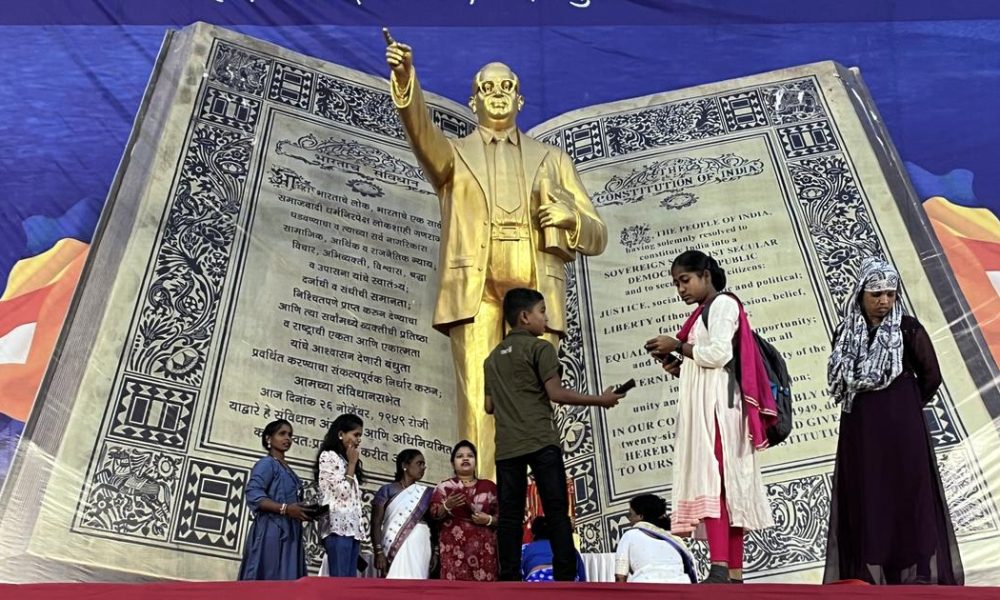
The Madurai bench of the Madras High Court made headlines with a groundbreaking decision on April 30, in the case of G Rajesh v State of Tamil Nadu. The case, which centered on the desecration of a poster of BR Ambedkar, took an unexpected turn when the court opted for a restorative approach rather than strictly punitive measures. Instead of simply applying the Scheduled Castes and Scheduled Tribes (Prevention of Atrocities) Act, Justice L Victoria Gowri facilitated a compromise between the involved parties, directing the accused to engage with Ambedkar’s writings.
This unusual directive included an oral examination on those writings and a recommendation to incorporate Ambedkar’s philosophies into school curricula, highlighting the court’s belief in the necessity of educational reform as a means of fostering social cohesion. Justice Gowri articulated that maintaining social harmony requires more than mere legal repercussions for wrongdoing; it necessitates a proactive commitment to the constitutional values of fraternity, which should not be left to chance.
The ruling is notable not just for its innovative approach but for its implications in a society where the Scheduled Castes and Scheduled Tribes (Prevention of Atrocities) Act has often been inadequately enforced. By opting for a reconciliatory process that emphasizes education and understanding over mere punishment, the court has raised pertinent questions about the balance between justice and social reform. While the intention behind the ruling is commendable, critics express concerns that such compromises might inadvertently perpetuate a culture of impunity, particularly when existing laws designed to protect marginalized communities are themselves underutilized.
Moreover, the Madras High Court’s decision underscores a broader discourse on how legal frameworks can adapt to not only address grievances but also to cultivate a more equitable society. The integration of educational initiatives is seen as a vital step towards creating awareness and respect for the principles embodied by Ambedkar, who is a pivotal figure in India’s fight for social justice. This case could potentially pave the way for similar judicial interventions aimed at bridging societal divides.
In conclusion, the Madras High Court’s ruling is a remarkable instance of the judiciary attempting to transcend traditional legal boundaries in pursuit of social harmony. However, it remains crucial for the legal system to ensure that while fostering dialogue and understanding, it also holds accountable those who perpetrate acts of discrimination and violence. The delicate balance between justice and social reform will continue to be a contentious topic as India strives towards a more inclusive society.
Source: scroll.in







No Comment! Be the first one.