

India’s Solar Power Potential Hindered by Transmission Challenges
On May 21, India faced an unprecedented surge in power demand, surpassing 270 gigawatts (GW) during the peak afternoon hours. This spike came at a time when much of northern, western, and central...

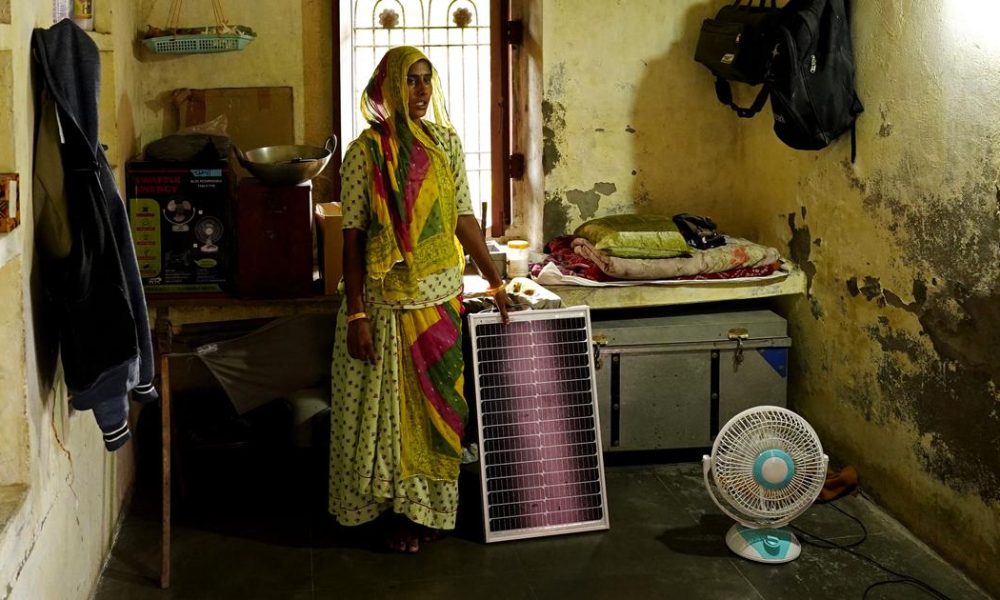
On May 21, India faced an unprecedented surge in power demand, surpassing 270 gigawatts (GW) during the peak afternoon hours. This spike came at a time when much of northern, western, and central India was grappling with severe heatwaves, leading millions to rely heavily on cooling appliances. In this scenario, coal-fired thermal power plants accounted for about 63% of the energy supply, while solar energy emerged as the second largest contributor, providing 28% of the total power consumed.
Despite the significant role that solar energy played on that hot day, data indicates that the country generated approximately 10 gigawatt-hours less solar energy than its actual capacity. This untapped potential is particularly notable in states like Gujarat and Rajasthan, which are known for their abundant solar installations. The underutilization of solar power during peak demand raises concerns about the efficiency of India’s energy infrastructure.
A critical factor behind this shortfall is the lack of adequate transmission capacity. Power generated from solar plants requires efficient transmission lines to deliver electricity to consumption points. According to Sunil Dahiya, founder and lead analyst at Envirocatalysts, a Delhi-based environmental think tank, the shortfall in solar power is often due to insufficient capacity to evacuate the energy produced. This inadequacy means that even with increased solar generation capabilities, the electricity cannot reach consumers effectively.
In recent years, India has made considerable strides in expanding its solar power capacity, aiming to become a leader in renewable energy. However, the development of complementary infrastructure, such as transmission networks, has lagged behind. As the nation strives to increase its reliance on clean energy sources, addressing these infrastructural gaps will be essential to harnessing the full potential of solar power.
Moreover, as India continues to battle climate change and seeks to meet its energy demands sustainably, the integration of solar power into the national grid becomes increasingly critical. The government and private sector must prioritize investments in robust transmission systems to facilitate the efficient use of renewable energy resources. Without these improvements, India risks not only wasting valuable solar energy but also falling short of its ambitious renewable energy targets.
Source: scroll.in







No Comment! Be the first one.