

Concerns Arise Over Punjab’s Drug Addiction Survey Amid Low Reporting Rates
For the past two weeks, Jaskirat Singh, a dedicated school teacher from Amritsar, has been embarking on an unusual afternoon routine. Every day after work, he heads to a nearby village, knocking on...

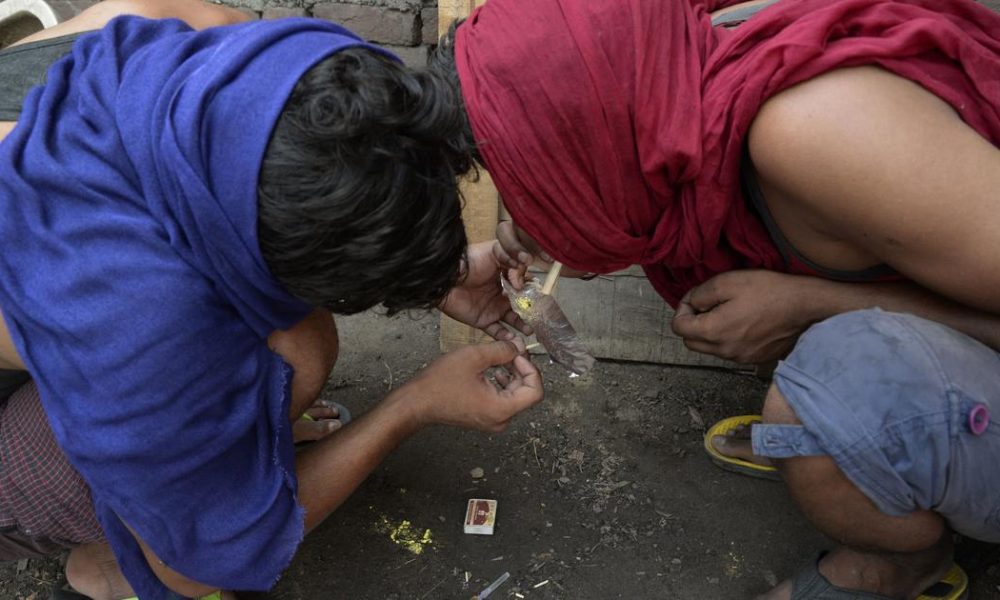
For the past two weeks, Jaskirat Singh, a dedicated school teacher from Amritsar, has been embarking on an unusual afternoon routine. Every day after work, he heads to a nearby village, knocking on doors and engaging families in conversation. Singh is one of the 28,000 government employees enlisted by the Punjab government to carry out the state’s inaugural Drug and Socio-Economic Survey. This monumental initiative aims to quantify the extent of drug addiction within the state and to better understand the socio-economic contexts surrounding those affected.
Punjab Chief Minister Bhagwant Mann introduced this survey in April, emphasizing its purpose as a stepping stone towards creating targeted policies to address the ongoing drug crisis. The hope is that by gaining a clearer picture of the addiction landscape, the government can implement effective measures to combat this pressing issue. However, challenges have surfaced in the data collection process that could lead to fears of an undercount.
Singh reports that in his two weeks of surveying, he has managed to reach only 120 households, with a disheartening trend emerging: only a handful of families openly acknowledged having members struggling with addiction. “Typically, only two or three families admitted to any drug-related issues,” he explained. This reluctance to disclose such personal information poses a significant barrier to gathering accurate data, which is critical for the success of the survey.
The structure of the survey itself may also be contributing to the hesitancy among respondents. Singh notes that many are evasive about discussing drug use, as they may fear stigma or judgment from outsiders. “Who would willingly share that their child is involved with drugs with a stranger?” he questioned, highlighting a deeply ingrained fear that could lead to an inaccurate portrayal of the drug problem in Punjab.
Moreover, the consequences of an undercount could be severe. If the survey fails to capture the true scale of drug addiction, it may result in inadequate policy responses and lack of necessary support for those in need. The Punjab government must find ways to encourage transparency and trust among communities to ensure that the survey yields reliable data. As the state grapples with the pervasive issue of drug abuse, an accurate understanding will be vital for tailoring effective interventions and providing much-needed assistance to affected families.
Source: scroll.in







No Comment! Be the first one.