

Congress Seeks Supreme Court Intervention for Transparency in West Bengal Voter Roll Revisions
In a significant move alleging lack of transparency, a Congress leader has approached the Supreme Court asking it to direct the Election Commission of India (ECI) to make public constituency-wise...

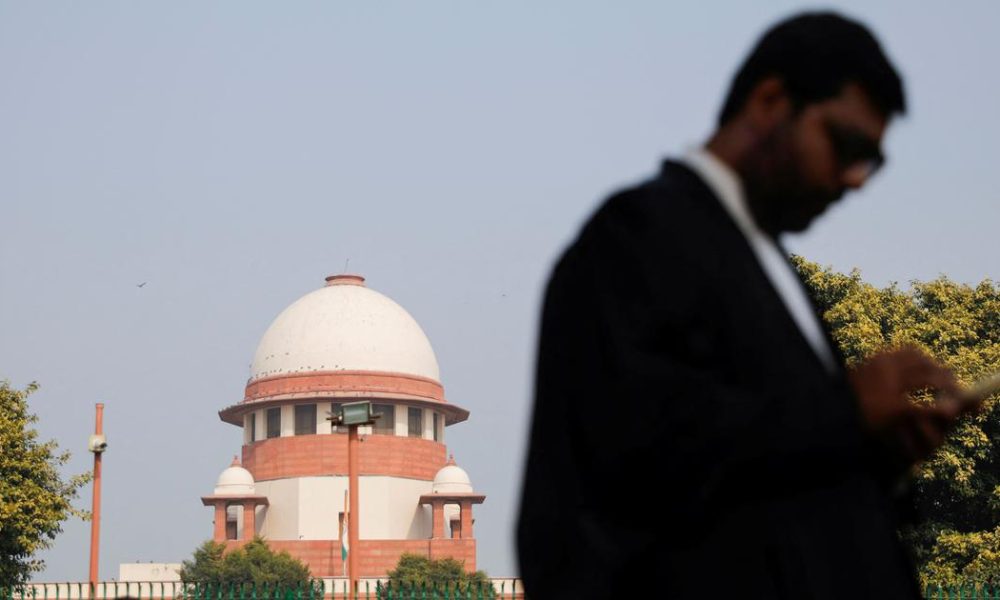
In a significant move alleging lack of transparency, a Congress leader has approached the Supreme Court asking it to direct the Election Commission of India (ECI) to make public constituency-wise data related to the additions and deletions of voters during the recent special intensive revision of electoral rolls in West Bengal.
Prasenjit Bose, who heads the West Bengal Congress’ Special Inquiry and Review (SIR) committee, has raised concerns over the opaque process governing the electoral roll revision. His petition emphasizes the necessity for public access to guidelines that dictate the standard operating procedures for appeals made to the appellate tribunals. Bose pointed out that there is no clear information available to the public regarding the appeal process, including documentation requirements, notifications, hearings, or the timelines for resolving such cases.
In his filing, Bose has specifically requested detailed data on the applications submitted under Form 6, which is used to register new voters, and Form 7, utilized for the removal of names from the voter list. During the claims and objections phase of this electoral roll revision, he seeks clarity on how many applications were filed, as well as the number accepted and rejected. His petition indicates that during the enumeration phase, over 58 lakh electors were removed from the rolls, yet the specific data regarding additions and deletions has not been disclosed.
According to the details provided in the petition, more than 9.6 lakh applications for voter inclusion and approximately 99,118 requests for deletion were received by January. However, the final electoral rolls published on February 28 reflected only around 1.8 lakh additions. The petition argues that the absence of comprehensive data on these processes raises significant concerns about the fairness and transparency of the electoral review.
The demand for transparency in electoral processes is increasingly becoming a focal point in Indian politics, particularly as various regions head towards upcoming elections. Bose’s action reflects a broader sentiment that emphasizes the need for accountable governance in electoral practices, ensuring that each citizen’s right to vote is safeguarded and that the processes influencing this right are open to scrutiny. As the case progresses, it could set a precedent for similar requests across the country, potentially influencing how voter registrations and roll revisions are managed in future elections.
Source: scroll.in







No Comment! Be the first one.