

Reversing Age-Related Frailty: Simple Strategies for a Healthier Life
As people age, they often face the challenge of frailty, a condition that significantly impacts their health and independence. In recent years, researchers and healthcare professionals have...

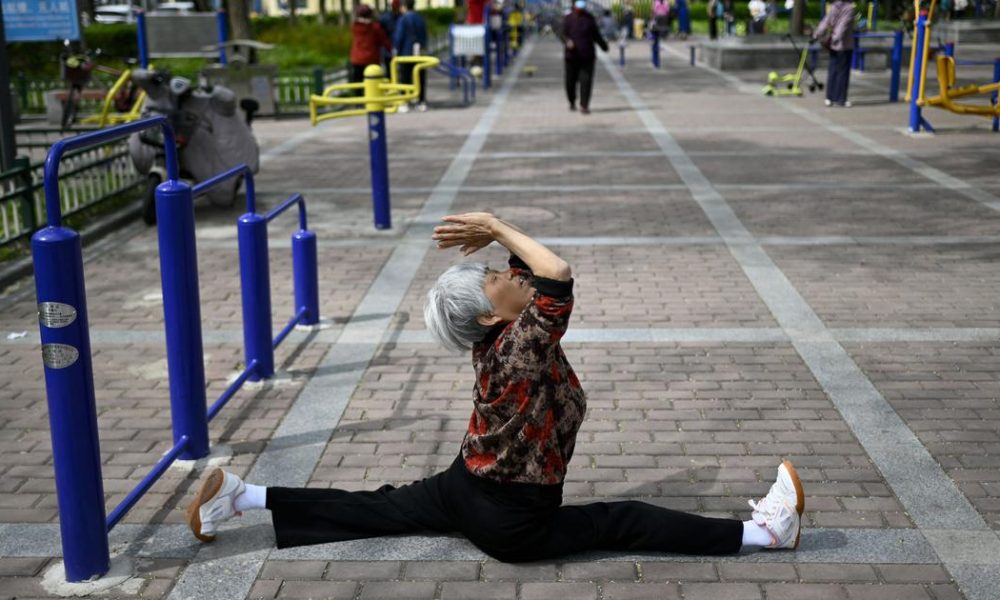
As people age, they often face the challenge of frailty, a condition that significantly impacts their health and independence. In recent years, researchers and healthcare professionals have increasingly recognized frailty not merely as a product of aging but as a manageable health issue. Surprisingly, some of the most effective strategies to combat frailty are quite mundane, involving regular physical activity, balanced nutrition, and fostering social connections.
Frailty can lead to severe consequences, including hospitalization, prolonged disability, and even premature death. Older adults experiencing frailty typically possess diminished physiological reserves, which means their bodies are less equipped to handle stressors such as illness or injury. For example, a simple chest infection or a minor medication adjustment can precipitate a swift decline in independence, whereas a more resilient elder may bounce back from major health challenges.
The variability of aging among individuals is striking; two 82-year-olds may have dramatically different lifestyles and health profiles. One may continue to enjoy an active, independent life, while the other may find it increasingly difficult to perform everyday tasks after a brief hospital stay. This variation is prompting a shift in the approach taken by clinicians and researchers, who are beginning to understand that frailty is a more defining factor for aging than chronological age alone.
In India, where the population is aging rapidly, addressing frailty has become a pressing public health concern. The recognition that frailty can be actively managed has led many healthcare settings to incorporate frailty assessments as a routine part of care for older adults. By identifying those at risk, healthcare providers can implement tailored intervention strategies that may help improve mobility, nutritional intake, and social engagement.
The broad implications of managing frailty extend beyond individual health, impacting families and communities as well. By promoting a proactive approach to health in later life, society can not only enhance the quality of life for older adults but also reduce the burden on healthcare systems. As policymakers and health professionals work together to combat frailty, the emphasis on holistic measures will be key in reshaping how we view aging and health in our communities.
Source: scroll.in







No Comment! Be the first one.