

Growing Concerns: Statelessness Threatens Bengali Muslims in India
In contemporary India, a significant portion of the working-class Muslim population, particularly those who speak Bengali, grapple with the looming anxiety of being stripped of their citizenship....

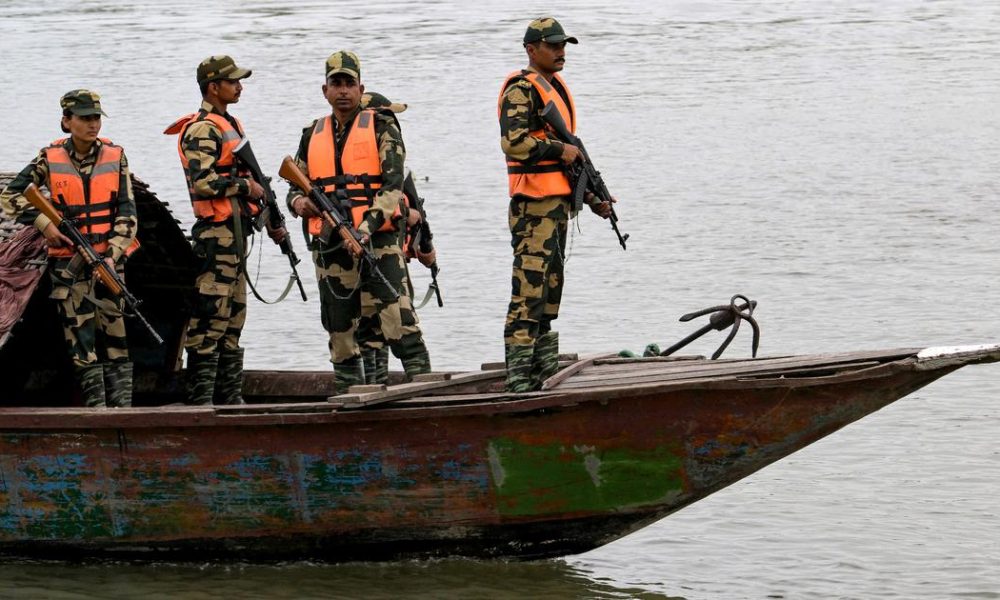
In contemporary India, a significant portion of the working-class Muslim population, particularly those who speak Bengali, grapple with the looming anxiety of being stripped of their citizenship. This apprehension is exacerbated by fears of being detained or forcibly displaced to Bangladesh, despite the fact that around 200 million Muslims reside in India, making them a vital part of the nation’s social fabric.
Anwar Ali, a Bengali migrant worker in Mumbai, articulated the distress faced by many in similar situations. He noted that expressions of Bengali identity, such as speaking the language, wearing traditional lungis, or preparing specific types of cuisine, have become grounds for harassment. Ali shared a disheartening piece of advice he received from his contractor: “Speaking Bengali is dangerous. Learn Hindi, stop wearing lungis.” Although Ali can adjust his clothing, he poignantly questioned, “How can I change my mother tongue?” Such sentiments reflect the growing atmosphere of fear and alienation among Bengali Muslims in India.
The issue of statelessness and citizenship has drawn the attention of international observers as well. In May 2025, Bangladesh’s Foreign Ministry formally contacted the Indian government, urging adherence to established protocols regarding repatriation. The ministry condemned practices referred to in India as “pushbacks,” emphasizing that only individuals confirmed as Bangladeshi citizens, and repatriated through legitimate channels, would be accepted. This statement highlights the complexities and sensitivities involved in managing cross-border migration and citizenship issues, showcasing the diplomatic challenges that arise from internal policies.
As tensions rise, the implications for Bengali-speaking Muslims in India are profound. The fear of being labeled as illegal immigrants or threats to national security fosters a pervasive atmosphere of distrust and exclusion. The situation raises critical questions about identity, belonging, and the rights of citizens in a diverse nation like India. These concerns are not merely abstract; they touch the lives of millions who navigate their day-to-day existence under the shadow of potential statelessness.
Ultimately, the plight of Bengali Muslims in India underlines the broader issues of nationalism and citizenship amid a rapidly changing socio-political landscape. As India grapples with these challenges, the experiences and voices of marginalized communities must not be overlooked. Understanding and addressing these fears is essential for fostering a more inclusive and harmonious society.
Source: scroll.in







No Comment! Be the first one.