

Umar Khalid Granted Three-Day Bail as Delhi High Court Addresses Contempt Case Against Journalists
The Delhi High Court has granted activist Umar Khalid a three-day interim bail in connection with the conspiracy case surrounding the 2020 Delhi riots. The order allows Khalid to be released from...

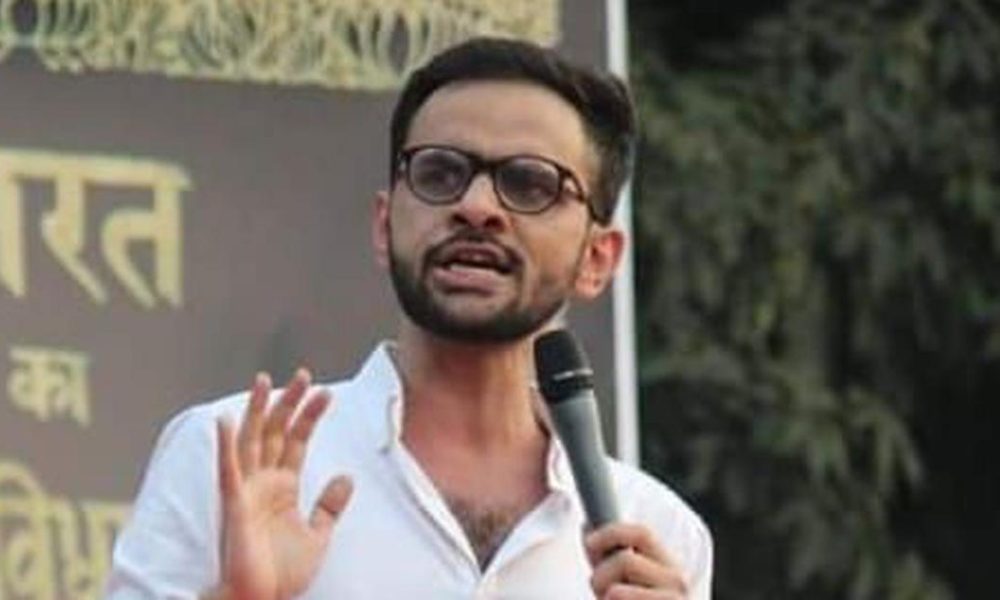
The Delhi High Court has granted activist Umar Khalid a three-day interim bail in connection with the conspiracy case surrounding the 2020 Delhi riots. The order allows Khalid to be released from June 1 to June 3, enabling him to participate in the Chehlum ritual that commemorates 40 days since the passing of his uncle. Additionally, Khalid’s mother is set to undergo surgery on June 2, and he has expressed the need to care for her during this time.
Khalid’s request for a more extended interim bail of 15 days was initially rejected by a lower court, prompting him to escalate the matter to the High Court. His situation highlights ongoing concerns regarding personal freedoms for those involved in politically sensitive cases in India, especially amid the broader context of civil rights and judicial processes.
In a related development, the Delhi High Court has also demanded responses from journalist Saurav Das and Aam Aadmi Party (AAP) leader Gopal Rai concerning a criminal contempt of court petition filed against them. This petition accuses them of orchestrating a targeted online campaign against Justice Swarana Kanta Sharma. The bench, however, opted not to issue notices to AAP chief Arvind Kejriwal and party leader Saurabh Bharadwaj, who are also implicated in this case, due to the fact that they are already entangled in separate contempt proceedings initiated by the court.
Saurav Das has stood by his journalistic integrity, asserting that his reporting is founded solely on documentary evidence. This includes responses from the Ministry of Law and Justice to Right to Information applications, formal judicial orders issued by the judge himself, and publicly accessible records. His commitment to transparency and accountability is reflective of the challenges faced by journalists in India today, especially in politically charged environments.
The backdrop of these legal proceedings underscores the interplay between law, politics, and media in India. As activists and journalists navigate this complex landscape, the implications of such cases resonate throughout society, reflecting the ongoing debates around freedom of expression and the role of the judiciary in safeguarding democratic principles.
Source: scroll.in






No Comment! Be the first one.