

Understanding the Distinction Between Sabarimala’s Acceptance of Women and the Hijab Controversy
Throughout history, religious texts and traditions have often placed women in subordinate roles, suggesting practices that are now considered abhorrent. The discussion surrounding women’s...

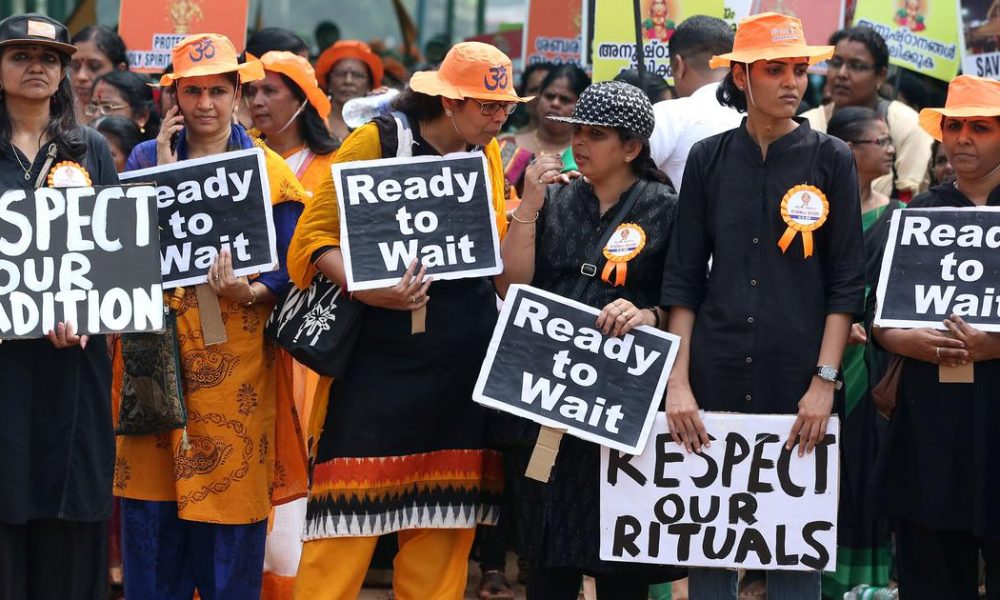
Throughout history, religious texts and traditions have often placed women in subordinate roles, suggesting practices that are now considered abhorrent. The discussion surrounding women’s rights in religious contexts has been reignited by two contrasting cases in India: the Sabarimala temple verdict, which allows women to enter the temple, and the ongoing hijab controversy.
As evolutionary biologist Richard Dawkins has pointed out, many of the values we uphold today regarding gender equality and humane treatment have evolved beyond the confines of religious doctrine. While certain scriptures may have condoned harmful practices against women, contemporary society has made strides toward interpreting these texts through a lens of reason and morality. It is this evolution of thought that has prompted a re-evaluation of age-old traditions, allowing for progressive reforms.
In the case of Sabarimala, the Supreme Court’s ruling emphasized the importance of gender equality, stating that women should have the same rights to access places of worship as men. This landmark decision acknowledges the historical exclusion of women and seeks to rectify it, urging society to move forward from patriarchal interpretations of sacred texts. The ruling resonates with the broader legal and moral framework that has developed over time, championing women’s rights as fundamental human rights.
On the other hand, the hijab controversy presents a different narrative. The debates surrounding the hijab often center on the interpretation of personal choice versus societal norms. While some view the hijab as a symbol of empowerment and religious identity, others argue it can perpetuate patriarchal structures. This contrast highlights the complexities of how religious practices are perceived and the varying implications they have on women’s rights, making it a nuanced issue in the Indian socio-political landscape.
In India, where traditional practices and modern values frequently clash, it becomes essential to engage in reasoned discourse. The ongoing challenges such as female foeticide and dowry, despite being legally addressed, showcase the deep-seated patriarchal attitudes that persist. Thus, the need for continuous dialogue and legislative action remains crucial in fostering an environment where all individuals, irrespective of gender, can exercise their rights freely and equally.
Source: scroll.in







No Comment! Be the first one.